

Creating a website is no longer just a checkbox on a business to-do list—it’s a dynamic, strategic tool that can make or break your online success. A high converting website design doesn’t just look good; it guides visitors toward taking meaningful actions like purchasing a product, signing up for a newsletter, or scheduling a consultation. This guide is designed to walk you through the most critical steps in building a website that performs and converts, using proven strategies from experienced web and digital marketing professionals.
We’ll cover the foundation—setting clear goals—all the way through to testing and ongoing optimization. Whether you’re a small business owner, a digital marketer, or an entrepreneur, these actionable tips will help you build a high-performing website that delights users and drives conversions. Let’s get started on your journey toward digital excellence.
1. Define Your Website Goals Like a Pro
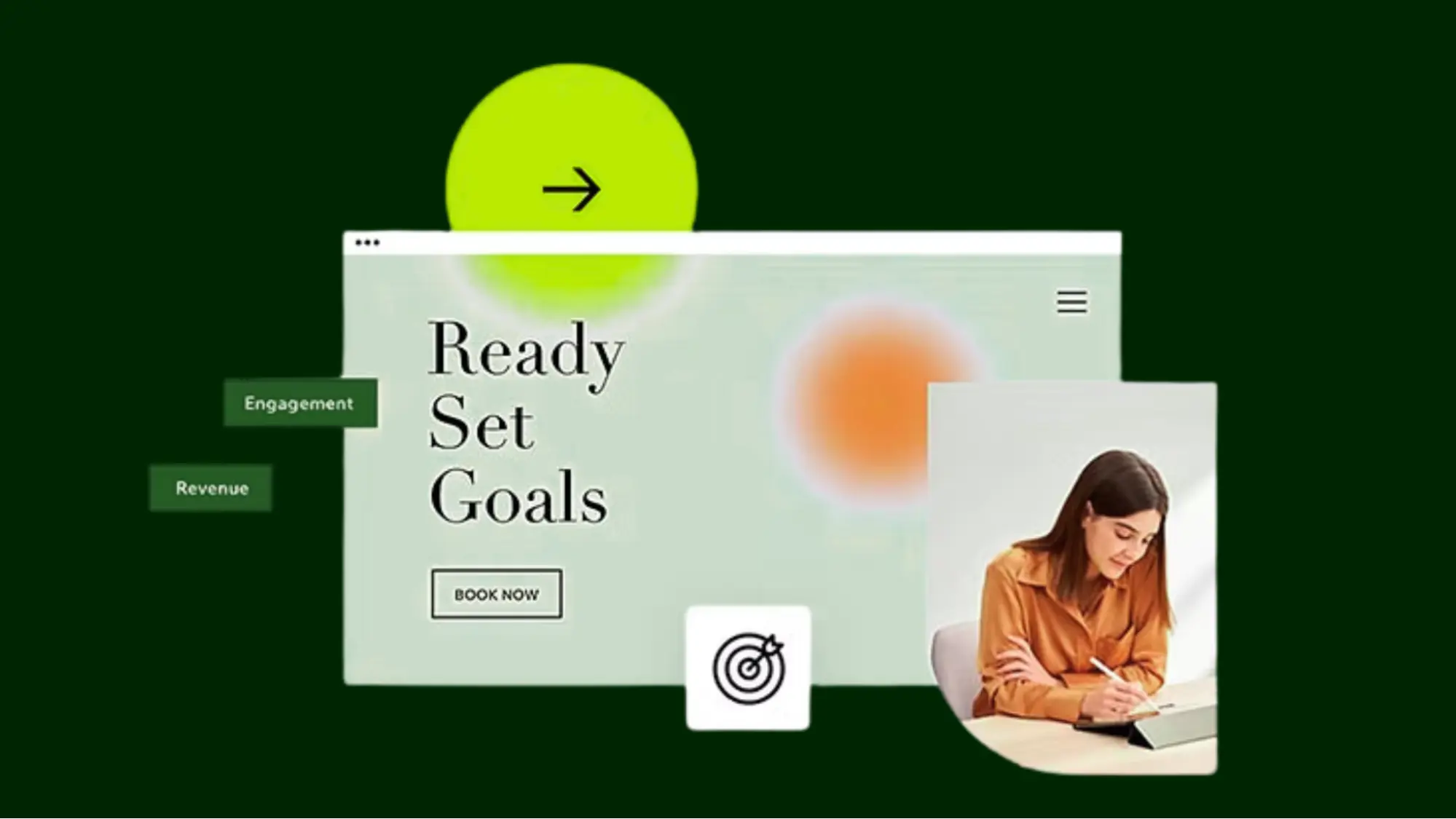
A successful high converting website design starts with clear, measurable goals. Without defined objectives, your site risks becoming a static brochure instead of a powerful sales tool. Consider your business model, target audience, and what you want your site to achieve.
For example, if your goal is lead generation, your homepage should include clear CTAs directing visitors to schedule a call or fill out a form. If you’re an e-commerce business, the goal might be increasing cart conversions or average order value. Be as specific as possible: “Increase newsletter signups by 30% over the next 6 months” is more actionable than “get more signups.”
One of the most important factors in meeting these objectives is understanding the role of UX/UI in website conversion optimization. Effective user experience and interface design directly influence how visitors interact with your site—and whether they take the desired actions. Align your goals with your overall business objectives. Map out how each page of your site contributes to these goals, and establish KPIs like bounce rate, conversion rate, or time on page to monitor success.
2. Make a Killer First Impression with Design
Your website design is your digital storefront. Just like in the real world, first impressions matter. Visitors form opinions about your site within milliseconds of arriving. A clean, modern, and professional design not only creates trust but also encourages users to explore further.
Use strong visual hierarchy to draw attention to important elements. Headlines should grab attention, images should be relevant and high quality, and buttons should stand out clearly. Good design helps users find what they’re looking for quickly and easily.
Consistency is crucial for brand design. Ensure that your fonts, colors, and imagery align with your overall brand identity. This creates a cohesive user experience and reinforces brand recognition. Always design with mobile users in mind—over 50% of web traffic is mobile, and a poor mobile experience can turn users away instantly.
3. Optimize for Lightning-Speed Performance
Website speed directly impacts your bottom line. You’d always find a high converting website design with minimum page load time, ideally 1-3 seconds as delays can lead to lost conversions. Research shows that a one-second delay can reduce conversions by 7%.
Start by compressing images with tools like TinyPNG to reduce load time. Minify your CSS, HTML, and JavaScript files to remove unnecessary code. Implement browser caching and consider using a CDN (Content Delivery Network) to deliver content faster across different geographic locations.
Choosing a reliable hosting provider is just as important. Providers like HostIT Smart offer performance-optimized plans that can make a big difference in site speed. Regularly test your site speed with tools like Google PageSpeed Insights or GTmetrix and address any performance issues promptly.
4. Craft Compelling Content that Converts
Your website content should speak directly to your visitors’ needs and motivate them to take action. Begin with an engaging headline that communicates your value proposition clearly. In a high converting website design, the opening paragraph always draws readers in by highlighting their pain points or needs.
Structure your content using the AIDA formula—Attention, Interest, Desire, and Action. First, capture their attention with a bold statement or question. Then, build interest with relevant information, create desire by showcasing benefits, and end with a strong call to action.
Incorporate your primary keyword, “Website Design Services,” naturally throughout the text, along with secondary keywords like “Brand Design” and “Digital Marketing.” Avoid keyword stuffing. Instead, focus on creating informative, engaging content that addresses user intent.
5. Create Strategic Calls-to-Action (CTAs)
CTAs are the driving force behind user actions and a crucial element. They guide visitors toward your conversion goals, whether it’s booking a service, downloading a resource, or making a purchase.
Make your CTAs visible, compelling, and relevant to the surrounding content. Avoid vague phrases like “Click here.” Instead, use specific, action-oriented text such as “Download Your Free Guide” or “Schedule a Free Consultation.”
Design matters just as much as wording. CTA buttons should be large enough for easy tapping on mobile and should stand out with contrasting colors. For a truly high converting website design, position CTAs at strategic points to top of the page, mid-content, and at the end, to engage users at various decision stages.
Finally, use A/B testing tools to experiment with different CTA versions. Adjust the button color, wording, or placement to discover what drives the highest conversion rates.
6. Nail Your Navigation
Good navigation is like a map—it helps users find their way effortlessly. Confusing navigation leads to frustration and higher bounce rates. Keep your main menu simple and intuitive. Use familiar terms like “Home,” “About Us,” “Services,” and “Contact.”
A sticky menu (one that remains at the top of the screen while scrolling) can improve usability by giving users constant access to navigation. This is especially useful for mobile users or long-scroll pages.
If your site has a lot of content, consider using a mega menu to categorize pages clearly. This prevents users from feeling overwhelmed and ensures they find what they’re looking for quickly.
7. Build Trust with Testimonials and Reviews
Trust is a key ingredient in conversions. When potential customers see that others have had positive experiences, they’re more likely to take action. Showcase client testimonials prominently on your homepage and key landing pages.
Go beyond simple quotes. Include names, titles, and photos where possible to increase credibility. If you have permission, even link to your clients’ websites. Real people sharing real results is incredibly persuasive.
Also, consider adding review widgets from platforms like Google Reviews or Trustpilot. These auto-populate reviews and add an extra layer of authenticity. Case studies that walk readers through a client problem and your solution can be especially powerful for B2B audiences.
8. Integrate Digital Marketing Tools
Your website should seamlessly integrate with your broader marketing strategy. Begin with email marketing. Capture leads using well-placed forms and sync them with platforms like Mailchimp, ActiveCampaign, or ConvertKit.
Next, implement analytics tools like Google Analytics and Tag Manager. These help you understand visitor behavior, track conversions, and make informed decisions. You can monitor metrics like traffic sources, page performance, and user flow—all critical insights for optimizing a high converting website design.
Don’t forget about retargeting. Adding Facebook or LinkedIn pixels allows you to re-engage visitors with targeted ads. Integration with your CRM and social media platforms further amplifies your marketing efforts and streamlines your workflow.
9. Test, Tweak, and Improve
A high converting website design is never “done.” Continuous improvement is essential. Start with regular website audits using tools like SEMrush, Ahrefs, or Moz. These will help you spot technical issues, SEO gaps, or broken links.
Use heatmaps from tools like Hotjar or Crazy Egg to see how users interact with your site. Are they clicking where you want them to? Are they scrolling far enough to see your CTAs? This data is gold.
Don’t underestimate the power of small changes. Run A/B tests to experiment with headlines, CTA placements, images, or even form length. Regular tweaks based on real data can lead to significant boosts in performance.
10. Keep Accessibility and Legal in Mind
Your website should be usable by everyone, including people with disabilities. ADA compliance ensures your site is accessible and inclusive. Use readable fonts, proper color contrast, alt text for images, and keyboard-friendly navigation.
Legal compliance is also crucial. A clear privacy policy, terms and conditions, and GDPR-compliant cookie banners protect you and your visitors. They also build trust by showing that you respect user privacy.
Security is another major concern. Use SSL certificates to encrypt data, and make sure your site is regularly updated to protect against vulnerabilities. A secure, accessible, and compliant website is not just a best practice—it’s essential.
Final Thoughts
A high converting website design is not a happy accident—it’s the result of intentional planning, design, content, and ongoing optimization. By following the principles laid out in this guide, you can build a site that not only looks great but also performs exceptionally.
Need help building or improving your website? Mindshare Consulting Inc specializes in custom website design services that align with your brand and business goals. Let us help you turn visitors into customers and clicks into conversions.
Ready to create your dream website? Reach out to us today and take the first step toward digital success.