

If you want more tables filled, more orders placed, and more loyal customers coming back you need a smart social media marketing for restaurants strategy for your restaurant. With over 4.9 billion people active on social media globally, platforms like Instagram, Facebook, and YouTube have become the most powerful tools available to restaurant owners today.
Check: Restaurant Digital Marketing Built for Scale
This guide breaks down exactly how to use social media marketing to grow your restaurant business and turn followers into paying customers.
Why Social Media Marketing Matters for Restaurants
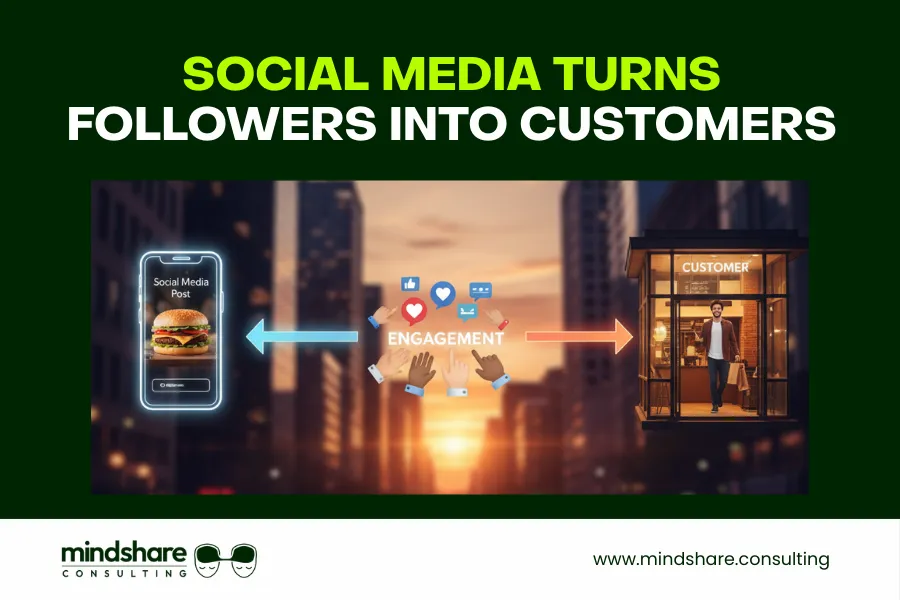
Before diving into tactics, understand why this matters. People don’t just eat food anymore — they photograph it, share it, and discover new restaurants through their feeds. Over 90% of people research a restaurant online before visiting, and social media is often the first place they look.
A strong social media presence builds:
- Brand awareness: more people discover you
- Trust and credibility: real content from real customers sells better than any ad
- Customer loyalty:regular engagement keeps your restaurant top of mind
- Direct revenue: through promotions, offers, and online ordering links
According to Sprout Social’s Restaurant Industry Report, restaurants that post consistently on social media see up to 3× more customer engagement than those that don’t.
Step 1: Choose the Right Social Media Platforms for Your Restaurant
Not every platform deserves your time. Focus on where your customers actually spend time.
- Instagram: The most powerful platform for restaurants. Food is inherently visual. Instagram Reels, Stories, and Feed posts are perfect for showcasing dishes, behind-the-scenes content, and promotions. If you only pick one platform, pick Instagram.
- Facebook: Essential for local discovery, running paid ads, and reaching an older demographic. Facebook also integrates directly with your Google Business Profile and allows direct reservation booking.
- YouTube / YouTube Shorts: Ideal for longer storytelling: kitchen tours, chef interviews, recipe videos, and brand documentaries. YouTube content also ranks on Google, giving you dual visibility.
Pro Tip: Master 2 platforms before expanding to more. Inconsistent presence across 5 platforms is far worse than a strong, consistent presence on 2.
Check: Top-Rated Social Media Marketing Services to Improve Your ROI
Step 2: Build a Content Strategy That Attracts Customers
Content is the engine of your social media marketing for restaurants. The biggest mistake restaurant owners make is posting randomly with no plan. A content strategy changes everything.
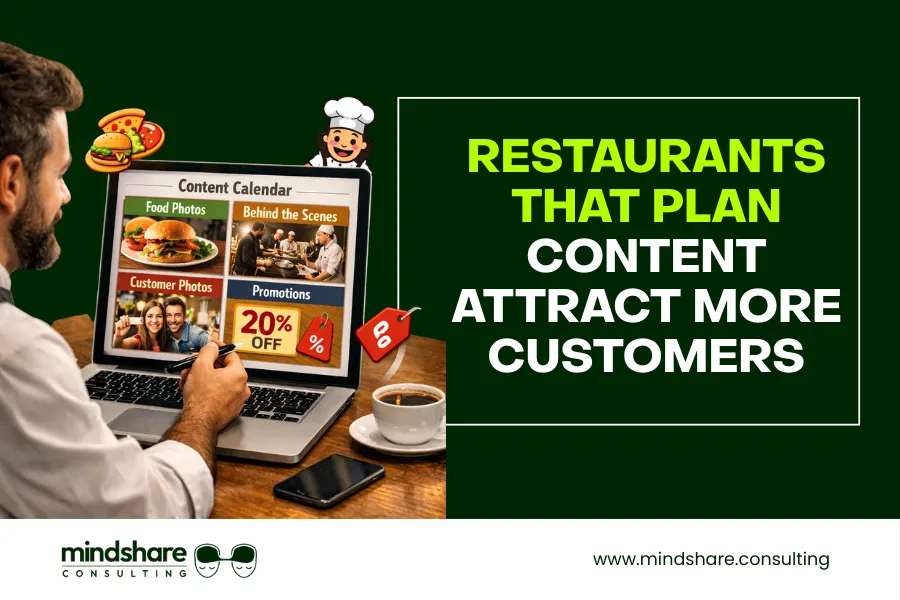
The 4 Content Pillars for Restaurants:
- Food Content (40% of posts) High-quality photos and videos of your dishes. Natural lighting, real plating, authentic presentation. This is your core content — it should make people hungry the moment they see it.
- Behind-the-Scenes Content (25% of posts) Kitchen prep, chef stories, ingredient sourcing, staff introductions. This humanizes your brand and builds an emotional connection with your audience that no advertisement can replicate.
- Customer Stories & UGC (20% of posts) User-Generated Content photos and videos your customers post and tag you in is the most trusted form of social proof. Repost it, celebrate it, and actively encourage it.
- Promotions & Offers (15% of posts) New menu launches, seasonal specials, happy hour deals, and limited-time offers. This drives direct action reservations, orders, and walk-ins.
Content Calendar Tip: Plan your content one week in advance. Use free tools like Meta Business Suite or Buffer to schedule posts and maintain consistency without daily stress.
Check: Transform Your Brand with Professional Content Marketing Services
Step 3: Master Instagram Marketing for Your Restaurant
Instagram is the single most important platform for restaurant social media strategy. Here’s how to use it to its full potential.
- Reels (Short Videos): Instagram Reels get 3× more reach than static posts. Create 15–30 second videos showing dish preparation, plating moments, chef techniques, or customer reactions. Add trending audio, on-screen text, and a clear CTA like “Visit us this weekend link in bio.”
- Stories: Use Stories daily for real-time engagement. Run polls (“Which new dish should we add?”), countdowns to events, behind-the-scenes clips, and quick customer testimonials. Stories keep your restaurant top of mind even on days you don’t post on the feed.
- Feed Posts: Maintain a visually consistent aesthetic. Use consistent filters, color tones, and photography style so your profile looks professional and appetizing at a glance.
- Instagram Bio Optimization: Your bio should include: your restaurant name, cuisine type, location, a link to your menu or reservation page, and a compelling one-liner. Example: “Authentic wood-fired pizzas in the heart of Austin | Book your table”
Hashtag Strategy: Use a mix of broad (#food #restaurant), niche (#MumbaiFoodie #PizzaLovers), and branded (#YourRestaurantName) hashtags. Aim for 15–20 hashtags per post. Research local food hashtags in your city for maximum local discovery.
Step 4: Use Facebook Marketing to Fill More Tables
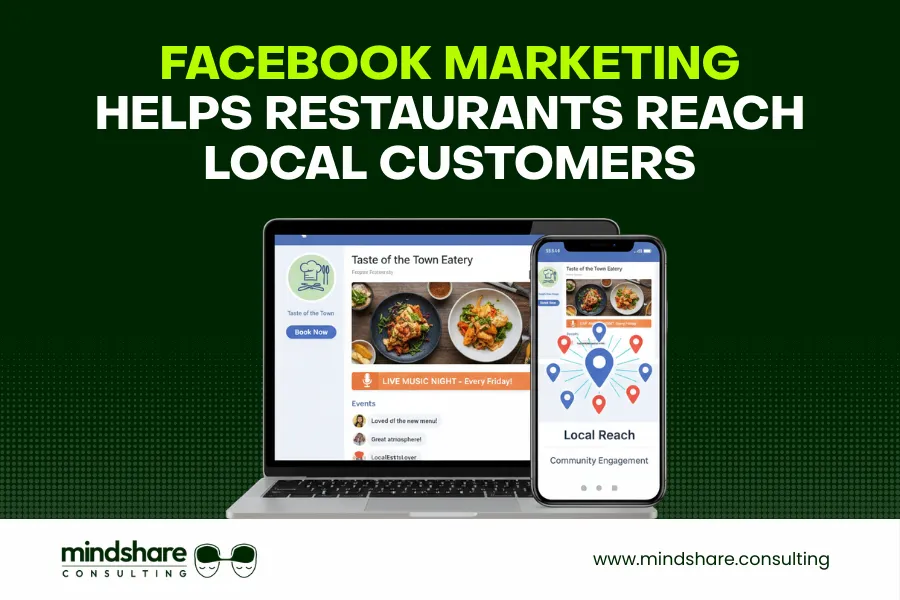
While Instagram dominates visually, Facebook marketing for restaurants is essential for local reach, community building, and paid advertising.
Facebook Page Optimization:
- Set your correct business category (“Restaurant” or specific cuisine type)
- Add your complete address, phone number, website, and hours
- Enable the “Book Now” or “Order Food” button on your page
- Upload a high-quality cover photo that represents your brand
Key Insight: Facebook’s algorithm prioritizes content that generates conversation. Ask questions in your captions, run polls, and respond to every comment to maximize organic reach.
- Facebook Groups: Join and contribute to local food and community groups in your city. Share your specials, respond to “restaurant recommendations” posts, and build genuine local relationships. This organic visibility is completely free.
- Facebook Events: Create events for special dinners, live music nights, festive menus, and themed evenings. Facebook Events get recommended to local users and drive significant footfall for occasion-based dining.
Facebook Reviews: Actively ask satisfied customers to leave a Facebook review. Facebook reviews appear in Google search results and directly influence new customers’ decisions.
Step 5: Influencer Marketing Strategy for Restaurants
Restaurant influencer marketing is one of the fastest ways to build credibility and reach new audiences in your city. You don’t need celebrities — you need the right local voices.
Types of Influencers to Work With:
- Mega Influencers (100K+ followers): High reach but expensive. Best for major launches or brand campaigns.
- Micro Influencers (10K–100K followers): The sweet spot for most restaurants. High engagement, local audience, affordable or free (in exchange for a complimentary meal).
Nano Influencers (1K–10K followers): Hyper-local, extremely trusted. Perfect for neighborhood restaurants.
How to Approach Food Influencers:
- Identify 10–15 local food bloggers and influencers in your city on Instagram and YouTube
- Engage with their content genuinely for 1–2 weeks before reaching out
- Send a personalized DM or email inviting them for a complimentary tasting experience
- Be clear about expectations: 1 Reel + 2 Stories, tagged with your location and handle
- Always provide an exceptional experience — the content they create should reflect your best
Important: Always disclose paid or gifted partnerships. Authenticity is everything in influencer marketing. Audiences trust transparent creators far more than those pushing inauthentic endorsements.
Step 6: Run Paid Social Media Ads to Get More Restaurant Customers
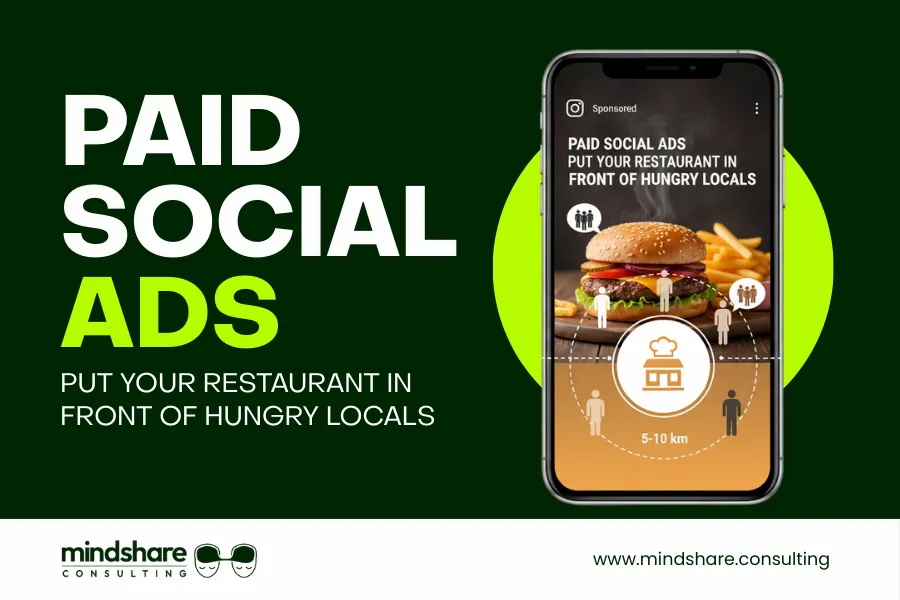
Organic reach is powerful but limited. Paid social media advertising puts your restaurant in front of thousands of local, hungry customers who’ve never heard of you.
Facebook & Instagram Ads for Restaurants:
The most effective ad types for restaurants are:
- Awareness Ads: Reach people within a 5–10 km radius of your restaurant with beautiful food visuals. Objective: brand recall and new discovery.
- Offer Ads: Promote a specific deal — “20% off this weekend”, “Free dessert with every main course.” These drive immediate action.
- Lead Generation Ads: Collect names, phone numbers, and emails for your loyalty program or event RSVP list directly within Facebook without sending people to a website.
- Retargeting Ads: Show ads to people who visited your website, watched your videos, or engaged with your page but haven’t visited yet. These convert at the highest rate.
Targeting Tips:
- Target by location: 5–15 km radius around your restaurant
- Layer with interests: “Dining out”, “Food & drink”, “Fine dining”, “Family restaurants”
- Use Custom Audiences from your customer phone/email list for retargeting
- Exclude existing loyal customers from acquisition campaigns to avoid wasted spend
Budget Guidance: Even ₹3,000–₹5,000/month in Facebook and Instagram ads, when targeted correctly, can generate consistent new customer acquisition for a local restaurant. Start small, measure results, and scale what works.
Check: Boost Sales With Effective PPC Marketing Agency
Step 7: Encourage and Leverage User-Generated Content (UGC)
User-Generated Content is the most credible form of marketing your restaurant can have. When real customers share photos of your food, they’re endorsing you to their entire social network — for free.
How to Generate More UGC:
- Create an Instagram-worthy corner in your restaurant — a feature wall, neon sign, or unique plating presentation that customers naturally want to photograph
- Place a small card on every table saying: “Tag us @YourRestaurant for a chance to be featured!”
- Run monthly UGC contests: “Best food photo wins a free meal”
- Create a branded hashtag (#YourRestaurantName or #EatAt[YourCity]) and promote it across all touchpoints
- Feature customer content on your Stories and Feed regularly — people love being celebrated
Why UGC Works: According to Nielsen’s Consumer Trust Report, 92% of consumers trust recommendations from people they know over branded content. UGC is word-of-mouth marketing at digital scale.
Step 8: Track Performance and Improve Your Social Media Strategy
You can’t grow what you don’t measure. Track these key metrics every month to understand what’s working and where to improve.
Key Metrics to Track:
- Reach & Impressions: How many people are seeing your content
- Engagement Rate: Likes, comments, shares, and saves divided by reach. Aim for 3–6% on Instagram.
- Profile Visits & Link Clicks: How many people clicked through to your menu or booking page
- Follower Growth Rate: Are you consistently gaining new followers month over month?
- Ad Performance: Cost Per Click (CPC), Cost Per Result, and Return on Ad Spend (ROAS) for paid campaigns
Tools to Use:
- Meta Business Suite Insights — Free, built-in analytics for Facebook and Instagram
- Google Analytics — Track website traffic coming from social media
- Later or Buffer — Schedule content and track post-level performance
- Sprout Social — Advanced analytics and reporting for growing restaurants
Set a monthly review date. Assess what content performed best, which ads drove the most reservations, and what your audience responded to most. Consistent optimization separates restaurants that grow from those that stagnate.
Common Social Media Mistakes Restaurants Make
Knowing how to grow your restaurant on social media also means knowing what to avoid:
- Inconsistent Posting: Posting 10 times one week and disappearing for 3 weeks destroys momentum and kills algorithm reach
- Low-Quality Food Photos: Blurry, dark, or unappetizing images do more damage than no content at all
- Ignoring Comments and DMs: Every unanswered comment is a missed relationship. Respond to everything.
- Only Posting Promotional Content: Nobody follows a brand that only sells to them. Mix value, entertainment, and promotion.
- No Clear CTA: Every post should have a purpose “Book now”, “Order online”, “Tag a friend”, “Share your experience”
Buying Fake Followers: Inflated follower counts with zero engagement destroy your organic reach and credibility permanently
Hidden Social Media Tips Most Restaurants Don’t Use
These advanced tactics give you a real competitive edge:
- Pin Your Best Post: Pin your most popular or most important post to the top of your Instagram profile so every new visitor sees it first.
- Use Instagram Collab Posts: Collaborate with local food influencers, delivery platforms, or complementary businesses using Instagram’s Collab feature — both accounts share the post and both audiences see it.
- Reply to Comments with Videos: Responding to comments with a short video reply on Instagram dramatically boosts your content’s reach and shows personality.
- Save-Worthy Content: Posts that people save (recipe tips, “best dishes to try” lists, local food guides) get prioritized by Instagram’s algorithm. Create content people want to reference later.
Cross-Post Strategically: Repurpose your best Instagram Reels as Facebook Reels and YouTube Shorts. One piece of content, three platforms, triple the reach.
How Mindshare Consulting Helps Restaurants Grow on Social Media
Building a powerful social media presence while running a restaurant is genuinely hard. Content creation, community management, paid ads, influencer outreach, and analytics each one is a full-time job on its own. That’s where Mindshare Consulting comes in.
What Mindshare Consulting Offers:
- Social Media Strategy: Custom content strategy built around your cuisine, location, and target customer
- Content Creation: Professional food photography, Reels production, and graphic design
- Account Management: Daily posting, community management, and engagement across Instagram and Facebook
- Paid Social Advertising: Facebook and Instagram ad campaigns targeting local customers with measurable ROI
- Influencer Marketing: End-to-end management of local food influencer campaigns
Monthly Reporting: Clear, jargon-free reports showing exactly what’s working and what’s growing
Ready to grow your restaurant with social media?
Contact Mindshare Consulting today, We specialize in social media marketing for restaurants helping you attract more customers, build a loyal following, and turn your social media presence into a consistent revenue driver.