
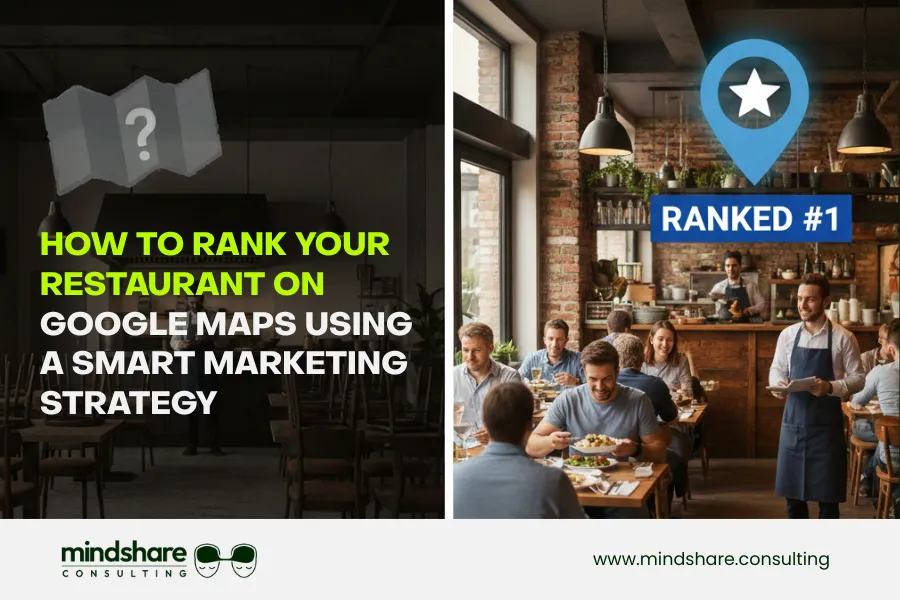

If you want more customers walking through your door, you need to know how to rank your restaurant on Google Maps. With millions of people searching for places to eat every day, Google Maps has become the most powerful discovery tool for restaurants. This guide breaks down exactly what it takes to dominate local search and turn map visibility into real revenue.
Understanding How Google Maps Ranking Works for Restaurants
Before diving into tactics, you need to understand how the algorithm works. Google Maps ranking is determined by three core factors: Relevance, Distance, and Prominence.
- Relevance: How well your listing matches what the user searched for
- Distance: How close your restaurant is to the searcher or the location they specified
- Prominence: How well-known and authoritative your business appears online
The Google Local Pack (the top 3 map results) gets the majority of clicks. Interestingly, a restaurant with 200 reviews can outrank one with 2,000 reviews if it scores higher on relevance and engagement. Understanding this gives you a competitive edge.
Learn more about how Google ranks local businesses: Google Business Help – Improve your local ranking
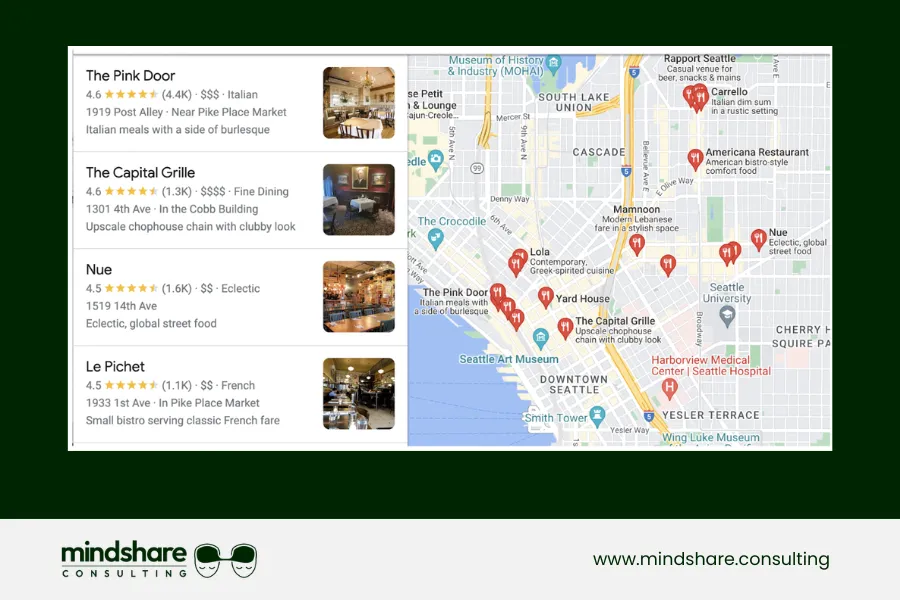
Step 1: Optimize Your Google Business Profile to Rank Your Restaurant on Google Maps
Your Google Business Profile (GBP) is the single most important asset for google maps seo for restaurants. An incomplete or poorly optimized profile is the #1 reason restaurants don’t appear in search results.
Here’s what to optimize:
- Business Category: Choose the most specific primary category (e.g., “Indian Restaurant” not just “Restaurant”)
- Restaurant Description: Include your primary and secondary keywords naturally in the first 250 characters
- Menu Links: Add a direct link to your online menu
- Real Food Photos: Upload high-quality, authentic images of your dishes, interior, and team
- Service Areas: Define the neighborhoods or zip codes you serve
- Reservation Links: Connect OpenTable, Resy, or your booking system
- Attributes: Add features like “outdoor seating,” “wheelchair accessible,” “family-friendly,” and “halal/vegetarian options”
Google Business Profile for restaurants is your digital storefront. Treat it like your best salesperson because it is.
Official setup guide: Google Business Profile Help Center
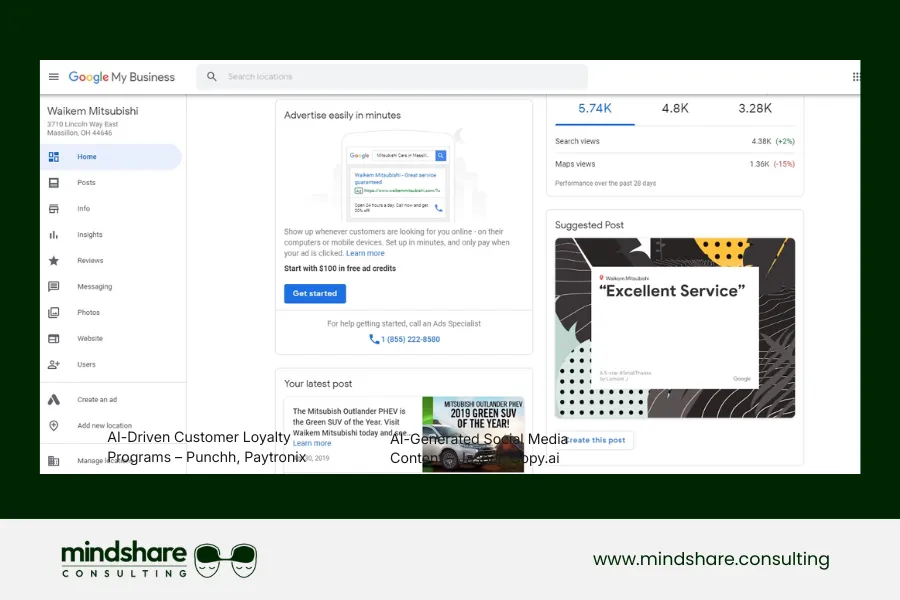
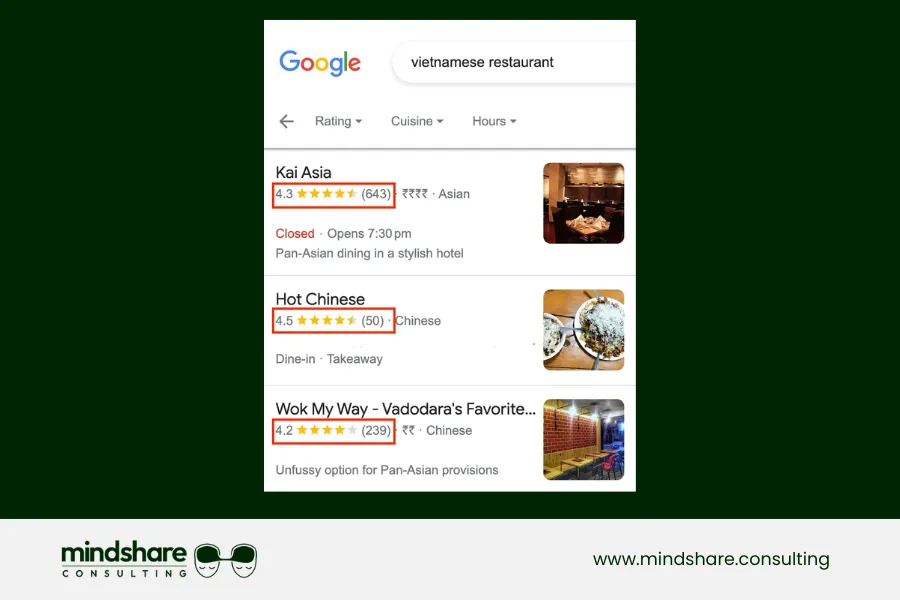
Step 2: Smart Review Marketing Strategy to Rank Your Restaurant on Google Maps
Reviews are one of the strongest google maps ranking factors for restaurants. It’s not just about the number of reviews — review velocity (how consistently you get new reviews) matters enormously.
How to build a review system:
- Train your staff to ask for reviews at the end of every positive dining experience
- Place QR codes on tables, receipts, and takeout bags that link directly to your Google review page
- Send a follow-up SMS or email 2 hours after a visit asking for feedback
- Respond to every review as positive and negative within 24 hours. Google rewards active engagement
- Never ignore negative reviews. A professional, empathetic response actually builds trust with future customers
A steady flow of fresh reviews signals to Google that your restaurant is active, relevant, and loved. This directly impacts how to rank your restaurant on Google Maps over time.
Tips on review management: BrightLocal – The Importance of Reviews for Local SEO
Step 3: Local SEO Tactics That Help Rank Your Restaurant on Google Maps
Your website and your Google Maps listing work together. Strong restaurant local SEO strategy on your website boosts your map ranking significantly.
Key tactics:
- Location Pages: Create a dedicated page for each location if you have multiple branches
- Local Keywords: Use phrases like “best Italian restaurant in [City]” throughout your site
- NAP Consistency: Your Name, Address, and Phone number must be identical across your website, GBP, Yelp, TripAdvisor, and every other platform
- Local Backlinks: Get links from local news sites, food bloggers, and community organizations
- Menu Schema: Add structured data markup to your menu so Google can read it directly
- Restaurant Structured Data: Use Schema.org Restaurant markup to tell Google your hours, cuisine type, price range, and location
These local SEO for restaurants techniques directly feed Google’s understanding of your business, which is a core driver of your map ranking.
Step 4: Increase Engagement Signals That Improve Google Maps Ranking
Google doesn’t just look at your profile, it watches how people interact with it. These engagement signals are a major ranking factor that most restaurants completely ignore.
Google tracks:
- Clicks on Directions: People asking for routes to your restaurant
- Clicks on Phone Number: Direct calls from your listing
- Website Visits: Clicks through to your website
- Photo Views: How often your images are viewed
- Messaging Activity: Responses via Google’s built-in chat feature
To improve these signals: post regularly on your GBP, keep your photos fresh, run Google Posts promoting specials or events, and make sure your phone number is always correct. Every interaction tells Google your restaurant is popular and worth showing.
This is one of the most underrated parts of google maps marketing for restaurants and it’s completely free.
Step 5: Build Local Authority to Rank Your Restaurant Higher on Google Maps
This is about brand signals how much of the internet talks about your restaurant.
To build local authority:
- Local Backlinks: Get mentioned on city food blogs, local newspapers, and neighborhood websites
- Local Press Coverage: Even a small feature in a local publication sends strong authority signals
- Food Bloggers & Influencers: Invite local food influencers for a complimentary tasting
- Instagram Location Tags: Encourage customers to tag your restaurant in their posts
- Citations and Directories: Make sure you’re listed (with consistent NAP) on:
- Yelp
- TripAdvisor
- OpenTable
- Zomato
- Foursquare
Each citation and mention adds to your restaurant’s perceived prominence — which directly affects how to rank your restaurant on Google Maps in the Local Pack.
Citation building resource: Moz Local – Citation Building Guide
Step 6: Track Performance and Continuously Improve Your Google Maps Ranking
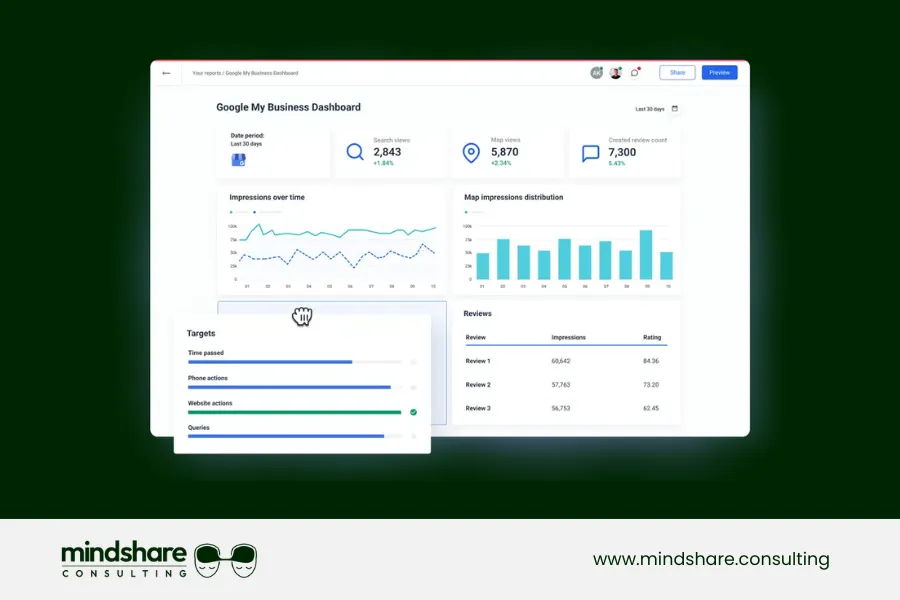
You can’t improve what you don’t measure. Use these tools and metrics to track your restaurant google maps ranking:
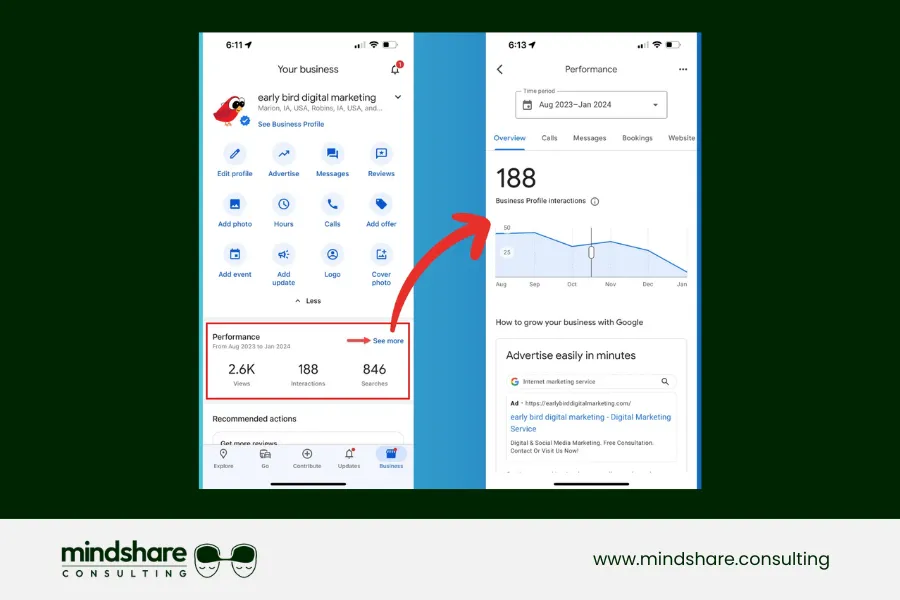
- Google Business Insights: Track profile views, direction requests, calls, and website clicks
- Website Traffic from Maps: Use Google Analytics UTM parameters to see traffic from your GBP
- Review Growth Tracking: Monitor your review count and average rating week over week
- Keyword Tracking: Use tools like BrightLocal or Whitespark to track your local keyword positions
- Photo Engagement: Check which photos get the most views and upload more like them
Set a monthly review date to assess your metrics and adjust your strategy. Consistent optimization is what separates restaurants that maintain top rankings from those that fall off.
Why Some Restaurants Still Fail to Rank on Google Maps
Knowing how to rank your restaurant on Google Maps also means knowing what to avoid:
- Inconsistent NAP: Even small differences (St. vs Street) across platforms confuse Google
- Too Few Reviews: A stagnant review count signals inactivity
- Wrong Business Category: Being listed as “Food” instead of “Pizza Restaurant” tanks relevance
- Poor Website SEO: A slow, unoptimized website drags down your map ranking
- Low Engagement: A profile nobody clicks on gets ranked lower over time
Fix these issues first before investing in anything else.
Hidden Google Maps Ranking Tips Most Restaurants Don’t Know
These advanced tactics give you an extra edge in restaurant google business profile tips:
- Post Weekly on Google:Google Posts featuring specials, events, or offers keep your profile active and signal relevance
- Upload Geo-Tagged Photos: Photos with location metadata embedded reinforce your geographic relevance
- Add Menu Items Individually: List each dish as a separate menu item in your GBP for more keyword coverage
- Use the FAQ Section: Add and answer your own questions using local keywords like “Do you offer gluten-free options in [City]?”
These small steps compound over time and are a key part of any restaurant local SEO strategy.
How Mindshare Consulting Helps Restaurants Rank on Google Maps
At Mindshare Consulting, we specialize in helping restaurants dominate local search. Our process covers every element of how to rank your restaurant on Google Maps:
- Google Business Profile Optimization: Full audit and optimization of your listing
- Local SEO Strategy: Keyword research, on-page optimization, and schema markup
- Review Marketing Systems: Done-for-you systems that generate consistent, authentic reviews
- Website Optimization: Speed, mobile usability, and local content improvements
- Local Authority Building: Citation management, backlink outreach, and influencer partnerships
Ready to get your restaurant to the top of Google Maps?
Contact Mindshare Consulting today for a free local SEO audit and let’s start ranking your restaurant where your customers are searching.