Menu Optimization for Speed & Batching on Fooda

A restaurant menu built for a full kitchen, a seated dining room, and an all-day service window does not survive contact with a Fooda pop-up. At a temporary corporate location, you typically have none of your usual equipment, a fraction of your normal counter space, and a two-hour service window to get every order out fast enough to keep the line moving.

  • Fooda Pop-Up Marketing Specialists
  • Onboarding & Collateral Built for the Lunch Rush
  • Menu Engineering for Speed & Batching
  • Local Ads That Turn Pop-Ups Into Storefront Regulars
Clients

A Dedicated Fooda Marketing Team

    Get Your Free Restaurant Growth Plan

    15-minute strategy call. We’ll show you exactly where you’re losing customers and revenue.

    🔒 No spam. Just real strategies that work.

    ← Swipe to explore →
    Win More Orders

    Turn Fooda Visibility Into Placed Orders

    Pop-Up Onboarding & Collateral Design

    Win the placements customers actually tap.

    Employee Retention & Local Brand Building

    Structure that converts faster scrolls.

    Employee Retention & Local Brand Building

    Protect the score that drives ranking.

    Pop-Up Onboarding & Collateral Design

    Consistent execution across every store.
    Fooda menu optimization brown paper bag on gray concrete floor
    Protect Your Margin

    Grow Volume Without Discounting It Away

    Pop-Up Onboarding & Collateral Design

    Know the real cost of every promotion before it runs.

    Slow-Period Targeting

    Fill demand gaps without discounting peak hours.

    Menu Optimization for Speed & Batching

    Fix the operational signals that hurt visibility.

    Menu Optimization for Speed & Batching

    Show up in every relevant category.

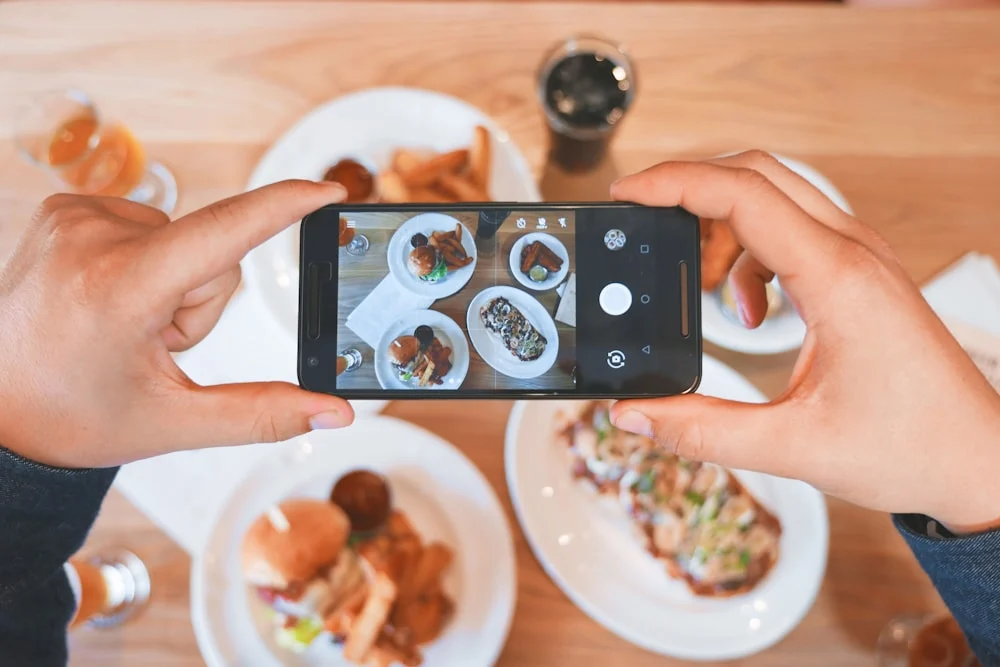
    Fooda menu optimization A table with a cell phone on top of it
    Turn Orders Into Repeat Customers

    Marketing That Drives Revenue, Not Just Clicks

    Employee Retention & Local Brand Building

    Bring customers back without needing off-platform data.

    Cross-Channel Bridge

    Move platform customers to channels you actually own.

    Performance Reporting

    Win first orders efficiently from nearby demand.

    Performance Reporting

    Real Fooda data, not vanity metrics.

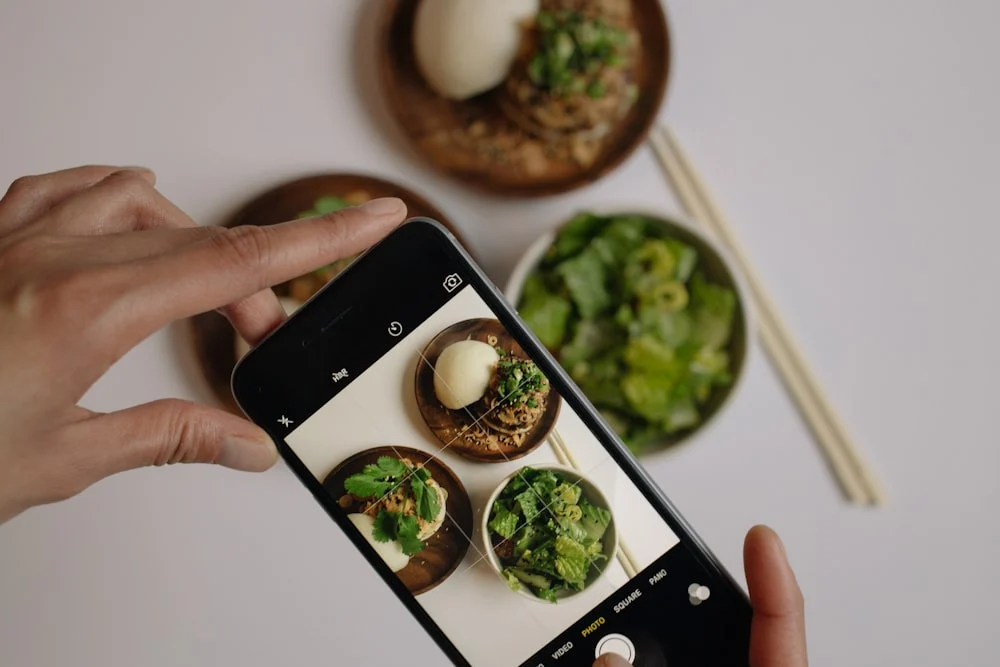
    Fooda menu optimization person taking picture of vegetables
    Why Restaurants Choose Mindshare

    One Partner For Every Part Of Growth

    Fooda Algorithm Experts

    We know what actually drives ranking inside Fooda.

    POS Sync

    Menus and orders stay accurate automatically.

    24×7 Dedicated Support

    A team that understands restaurants.

    Complete Growth Partner

    Setup, ads, promotions, reviews, retention.
    Fooda menu optimization person taking picture of the foods
    Win More Orders

    Turn Fooda Visibility Into Placed Orders

    Pop-Up Onboarding & Collateral Design

    Win the placements customers actually tap.

    Employee Retention & Local Brand Building

    Structure that converts faster scrolls.

    Employee Retention & Local Brand Building

    Protect the score that drives ranking.

    Pop-Up Onboarding & Collateral Design

    Consistent execution across every store.

    Fooda menu optimization brown paper bag on gray concrete floor
    Protect Your Margin

    Grow Volume Without Discounting It Away

    Pop-Up Onboarding & Collateral Design

    Know the real cost of every promotion before it runs.

    Slow-Period Targeting

    Fill demand gaps without discounting peak hours.

    Menu Optimization for Speed & Batching

    Fix the operational signals that hurt visibility.

    Menu Optimization for Speed & Batching

    Show up in every relevant category.

    Fooda menu optimization A table with a cell phone on top of it
    Turn Orders Into Repeat Customers

    Marketing That Drives Revenue, Not Just Clicks

    Employee Retention & Local Brand Building

    Bring customers back without needing off-platform data.

    Cross-Channel Bridge

    Move platform customers to channels you actually own.

    Performance Reporting

    Win first orders efficiently from nearby demand.

    Performance Reporting

    Real Fooda data, not vanity metrics.

    Fooda menu optimization person taking picture of vegetables
    Why Restaurants Choose Mindshare

    One Partner For Every Part Of Growth

    Fooda Algorithm Experts

    We know what actually drives ranking inside Fooda.

    POS Sync

    Menus and orders stay accurate automatically.

    24×7 Dedicated Support

    A team that understands restaurants.

    Complete Growth Partner

    Setup, ads, promotions, reviews, retention.

    Fooda menu optimization person taking picture of the foods

    Real Results. Real Relationships.

    More than marketing. More than technology. A true restaurant growth partner.

    ExcellentGoogle star 1Google star 2Google star 3Google star 4Google star 55.024 reviews
    5.0Google star 1Google star 2Google star 3Google star 4Google star 5
    Excellent24 reviews
    What We Offer

    Everything You Need for Fooda: One Partner, Start to Finish

    Clear deliverables. Tailored to what you actually need.

    01
    Setup & Foundations

    Getting your Fooda presence set up and structured right from day one.

    Get a Quote
    • SKU rationalization to identify which menu items can realistically perform at a temporary pop-up location
    • Batch-prep recipe redesign so components can be made ahead and finished quickly on-site
    02
    Menu Optimization for Speed & Batching

    Turning ads, promotions, and content strategy into more orders on Fooda.

    Get a Quote
    • Packaging and transport testing to confirm items hold texture, temperature, and presentation after transit
    • High-margin item selection prioritizing dishes with strong food cost economics at pop-up volume
    03
    Ongoing Support

    Keeping ranking, ratings, and retention improving month over month.

    Get a Quote
    • Portion and assembly standardization so any staff member can build the item consistently and fast
    • Pricing calibration reflecting office lunch price sensitivity and rotation-day competitive positioning
    +
    Multi-Location / Custom

    For restaurant groups and franchises with custom goals across locations.

    Contact Us
    • Custom strategy across stores
    • Dedicated senior strategist
    • Centralized reporting
    Everything Fooda Marketing

    Every Fooda Growth Service Under One Roof

    One partner handling setup, ads, content, promotions, reviews, and retention for restaurants on Fooda.

    Menu Optimization for Speed & Batching on Fooda

    A restaurant menu built for a full kitchen, a seated dining room, and an all-day service window does not survive contact with a Fooda pop-up. At a temporary corporate location, you typically have none of your usual equipment, a fraction of your normal counter space, and a two-hour window to serve a line of office employees who all showed up at roughly the same time.

    Mindshare's Menu Optimization for Speed & Batching service exists to solve the specific operational math of that setting: narrowing a full menu down to four to six items chosen because they can be prepped ahead of time, transported without falling apart, and assembled in under a minute, while still protecting or improving your margin per order.

    • SKU rationalization to identify which menu items can realistically perform at a temporary pop-up location
    • Batch-prep recipe redesign so components can be made ahead and finished quickly on-site
    • Packaging and transport testing to confirm items hold texture, temperature, and presentation after transit
    • High-margin item selection prioritizing dishes with strong food cost economics at pop-up volume
    • Portion and assembly standardization so any staff member can build the item consistently and fast
    • Pricing calibration reflecting office lunch price sensitivity and rotation-day competitive positioning

    Why a Full Restaurant Menu Fails at a Pop-Up

    The core problem with bringing a full dine-in menu to a Fooda pop-up isn't variety for its own sake, it's that most menu items were designed around kitchen infrastructure that simply doesn't exist at a temporary office setup. A dish that relies on a flat-top, a fryer, or a plancha at full heat, or one that's finished to order in six or seven steps, cannot be replicated at a folding table with a couple of hotel pans and a warmer. Attempting it anyway creates exactly the bottleneck a lunch rush cannot absorb: a line that backs up because the third or fourth item on the ticket takes four times longer to assemble than the first two.

    There's a margin problem layered on top of the speed problem. Items that make sense on a dine-in menu, because they justify a higher price point across a full dining experience, often don't hold the same margin logic when isolated as a single transaction competing against two or three other vendors on price and speed alone.

    A full menu, brought unmodified to a pop-up, usually contains a mix of items that are fast but low-margin, high-margin but slow, and some that are simply impractical outside your home kitchen. Menu optimization is the process of finding the small subset of items that clear all three bars at once: fast enough for the rush, portable enough for a rotation calendar, and profitable enough to justify the pop-up slot.

    The Four-to-Six Item Rule

    Rather than picking items by gut feel or by what happens to be popular in the dining room, Mindshare evaluates every menu item against four objective criteria before it earns a spot on a Fooda pop-up menu. The table below shows the framework.

    CriterionWhat It MeasuresWhy It Matters for a Pop-Up
    Prep-ahead viabilityCan core components be made in advance at your commissary kitchenOn-site work should be limited to assembly and finishing, not cooking from scratch
    Hold and transport stabilityDoes texture, temperature, and appearance survive travel to the pop-up locationItems that degrade in transit hurt first impressions with new customers
    Assembly speedHow many seconds it takes staff to build a finished order on-siteDirectly determines how fast the line moves during peak rush
    Margin at pop-up volumeFood cost and labor cost per order at realistic pop-up ticket countsEnsures the item is worth the labor and ingredient investment of the rotation slot

    Items that score well across all four criteria become the core four-to-six item Fooda menu. Items that score well on only two or three, a dish that transports beautifully but takes too long to assemble, for instance, are typically held back for the dine-in menu rather than forced into a pop-up setting where they'll underperform.

    Our Menu Engineering Process

    Menu optimization for Fooda follows a structured sequence rather than a one-time menu swap, since batching and transport performance often need real-world testing before a final selection is locked in.

    1. Audit your full current menu against the four-criteria framework: prep-ahead viability, hold stability, assembly speed, and pop-up margin
    2. Identify a shortlist of 8-10 candidate items that score reasonably well, rather than jumping straight to a final four to six
    3. Redesign recipes and prep workflows so as much of each candidate item as possible can be batched ahead of the pop-up date
    4. Run packaging and transport tests, checking texture, temperature retention, and presentation after a realistic transit time
    5. Time on-site assembly for each candidate under simulated rush conditions to confirm real speed, not estimated speed
    6. Calculate margin per order at realistic pop-up volumes, factoring in labor, ingredient cost, and any building-specific fees
    7. Finalize the four-to-six item menu and hand off the confirmed selection to collateral design for menu board and signage production

    The Case for Batching and Transport Testing

    It's tempting to assume a dish that works well in the restaurant will simply work at a pop-up too, but transport and hold time expose problems that never show up in normal service. A sauce that's perfect straight off the line can separate or thicken unevenly after forty minutes in a transport container. A protein that's juicy fresh off the grill can dry out or lose texture if it's held in a warmer for the length of a lunch rush rather than served immediately.

    These aren't hypothetical risks, they're the most common reason a restaurant's food, which performs perfectly well in its home dining room, gets lukewarm feedback the first time it's tried at a pop-up. Real transport and hold testing, done before the first live pop-up rather than discovered during it, is what separates a menu that reads well on paper from one that actually performs during a two-hour office lunch rush.

    Batching discipline matters just as much on the labor side. A menu built around four to six items with shared prep components, a base sauce, a protein, a starch used across multiple dishes, lets a small on-site team assemble orders quickly because most of the work happened hours earlier at your commissary kitchen. A menu with six unrelated items, each requiring its own separate prep chain, multiplies the on-site complexity even though the item count looks the same on paper. Good menu optimization looks for that shared-component efficiency as much as it looks at any single dish in isolation.

    Connecting Menu Strategy to Onboarding and Local Marketing

    A finalized, well-engineered menu is also the foundation the other two pieces of a Fooda program build on. Once your four-to-six item selection is locked in, that shortlist becomes the basis for Pop-Up Onboarding & Collateral Design, since printed menu boards, POS displays, and staff quick-reference cards are all built directly around the finalized items rather than guessed at separately.

    And the specific dishes you feature at a pop-up often become the hook for Employee Retention & Local Brand Building campaigns, geo-fenced ads that remind employees of the exact item they tried and invite them to your storefront for the fuller menu. For restaurants weighing where to start, the Fooda Marketing for Restaurants hub outlines how all three services sequence together. For the platform-level requirements every Fooda vendor is held to, see Fooda's restaurant partner page.

    Let's Build Your Fooda Menu Plan

    Streamline your restaurant menu to 4-6 high-margin items built to prep, transport, and assemble fast at Fooda pop-ups, without sacrificing quality or profit.

    Free Strategy Session

    Custom Growth Plan

    Competitor Analysis

    Revenue-Focused Recommendations

    Frequently Asked Questions

    In a pop-up setting, a shorter menu typically increases sales rather than reducing them, because it removes decision friction for customers who only have seconds to choose and it eliminates the slow-assembly items that create line backups. Most restaurants find that concentrating effort on their best-performing four to six items produces higher throughput and better margin per labor hour than spreading thin capacity across a dozen options, several of which weren't going to perform well at a pop-up anyway.

    Every candidate item is scored against four criteria: whether it can be prepped ahead of time, whether it holds up through transport and hold time, how fast it can be assembled on-site, and what margin it delivers at realistic pop-up order volumes. Items that score well across all four tend to make the final list, while items that are popular in the dining room but fail on speed or transport are typically held back for your regular menu instead.

    Most restaurants can batch and transport with equipment they already have or with modest additions like insulated transport containers and portable warmers, the bigger shift is usually in recipe and prep workflow design rather than new equipment. Part of our process includes recommending specific packaging where testing shows a gap, but the priority is redesigning recipes so they don't depend on equipment that isn't practical to bring to a temporary corporate location.

    Yes, and some restaurants do vary their four-to-six item selection across different rotation stops, particularly if certain buildings have shown a preference for specific dishes. That said, we generally recommend keeping a consistent core menu across most of your rotation so your collateral, staff training, and brand recognition stay consistent, reserving item rotation for seasonal refreshes or specific building feedback rather than constant week-to-week changes.

    Timelines vary based on how many recipes need reworking and how much transport testing is required, but most restaurants can move from initial audit to a finalized, tested four-to-six item menu within a few weeks, timed against your next available Fooda rotation date. Restaurants already running pop-ups with an underperforming menu can often move faster, since the process becomes refinement rather than a from-scratch rebuild.

    Jay Mehta, Founder and Growth Partner at Mindshare Consulting
    20+Years
    Meet Your Growth Partner

    Meet Jay Mehta

    Founder & Growth Partner, Mindshare Consulting Inc.

    For more than 20 years, Jay has helped businesses grow through marketing, technology, automation, and customer acquisition. Today he leads Mindshare Consulting's approach to restaurant marketplace marketing, applying that same discipline to how restaurants compete for visibility and orders on Fooda.

    20+Years Experience
    250+Projects Delivered
    Workplace Pop-Up DiningIndustry Focus
    AI-PoweredSmarter Marketing
    “

    Getting listed on Fooda isn’t the goal. Getting found, ranked, and reordered from is, and that takes an actual marketing program, not a one-time setup.

    Jay Mehta, Founder
    © 2026. All rights reserved by Mindshare Consulting Inc