
Restaurant Menu Design Agency
Built to Sell Itself

A restaurant menu is the highest-leverage sales tool most restaurants never actually design. Guests read it for under two minutes and decide what to order (and how much to spend) almost entirely from what they see on the page or the screen. Mindshare Consulting designs print, website, and POS digital menus around real menu engineering and photography that sells the dish, then keeps that design consistent across your Toast, Clover, Square, or Lightspeed menu displays.

  • Menu Engineering: Item Placement & Pricing Psychology
  • Real Dish Photography Built Around High-Margin Items
  • Consistent Across Print, Website & POS Menu Displays
  • Seasonal & LTO Updates Without a Full Redesign
Clients
★★★★★

Trusted by 300+ restaurant owners

    Get Your Free Restaurant Growth Plan

    15-minute strategy call. We’ll show you exactly where you’re losing customers and revenue.

    🔒 No spam. Just real strategies that work.

    Partners With The Tools You Already Use

    microsoft
    olo
    Restaurant
    Square
    Tiktok
    Yelp
    Clove
    Deliverct
    Google
    Lavu
    Meta
    microsoft
    olo
    Restaurant
    Square
    Tiktok
    Yelp
    Clove
    Deliverct
    Google
    Lavu
    Meta
    Seamless Integrations
    Better Tracking
    Smarter Campaigns
    More Revenue
    ← Swipe to explore →
    Built On Menu Engineering

    Where Guests Look First Decides What They Order

    Eye-Flow & Item Placement

    Your highest-margin dishes placed where guests actually look first.

    Pricing Psychology

    Prices set without dollar signs anchoring guests to cost, not value.

    Price Anchoring & Decoy Items

    A higher-priced anchor item that makes your target dish look like the obvious choice.

    Category & Section Ordering

    Menu sections sequenced to guide guests toward what you want them to order.
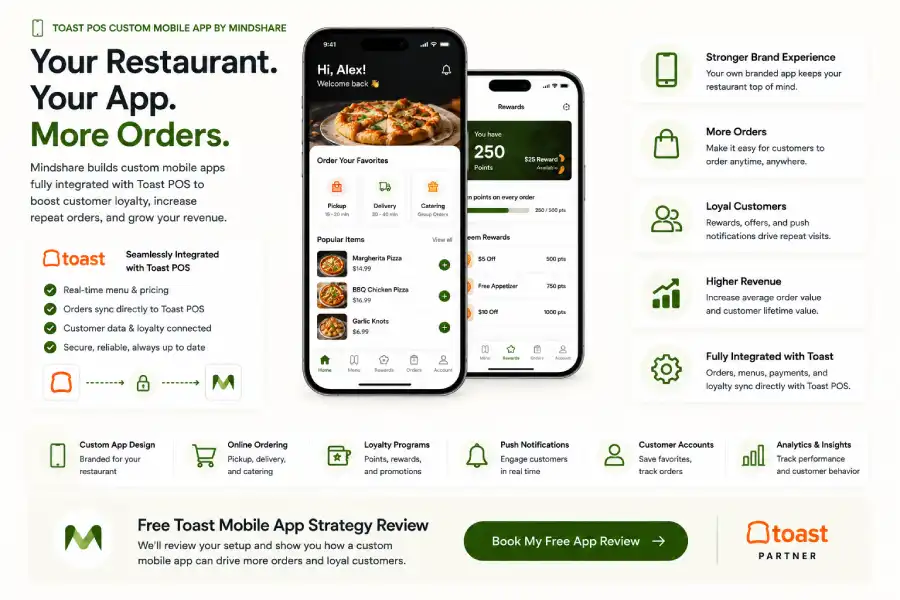
    Menu engineering and pricing psychology layout for a restaurant menu
    Photography That Sells The Dish

    Real Photos of Your Food, Not Stock Images

    On-Site Dish Photography

    Shot in your kitchen with your plating, your lighting, your food.

    Planned Around Your Best Margins

    Photography prioritized for the dishes you most want guests to order.

    Consistent Styling

    The same shot style and crop everywhere a dish appears for sale.

    No Generic Stock Photos

    Guests can tell the difference, stock food photos quietly cost you trust.
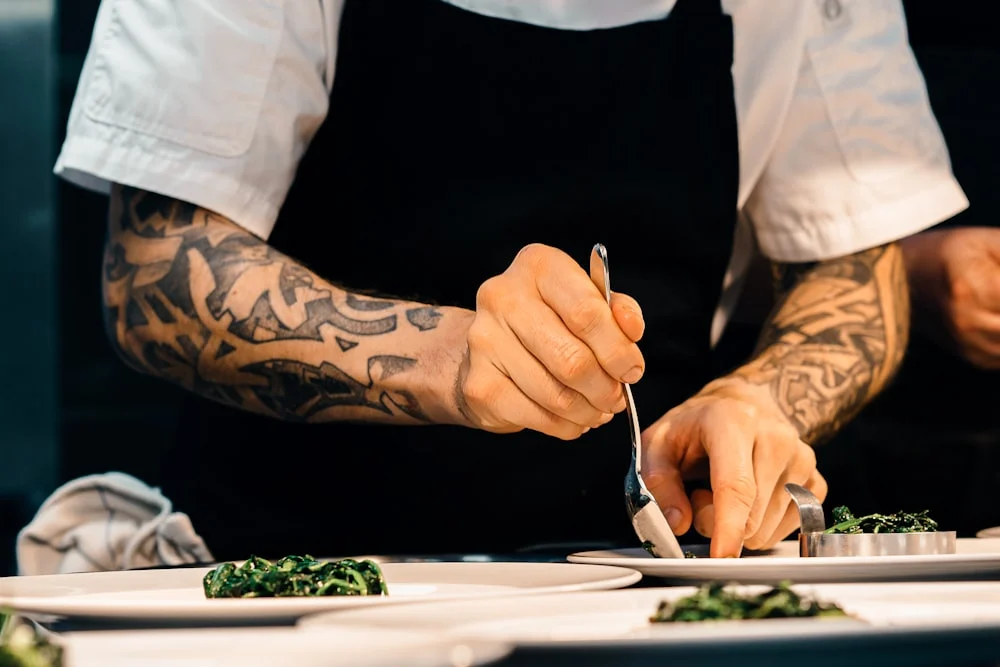
    Chef plating a dish for restaurant menu photography
    Consistent Everywhere It’s Read

    One Menu, Matched Across Every Screen And Page

    Print & Website Menu Match

    The same layout, photos, and pricing whether a guest is holding a menu or scrolling.

    Toast, Clover, Square & Lightspeed Displays

    Digital menu boards built to match, not just approximate, your print menu.

    Structured Menu Data

    Categories and items organized so your POS pulls the same structure every time.

    One Master Menu File

    A single source file every format gets built from, so nothing drifts out of sync.

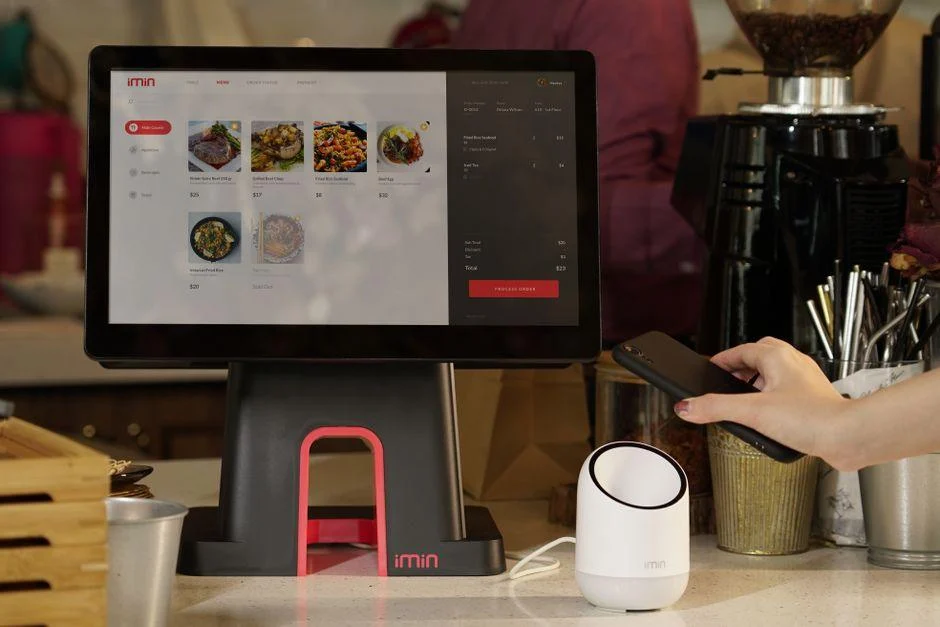
    Digital menu board display used with restaurant POS systems
    Refreshed Without The Redesign

    A Seasonal Update Process That Keeps The System Intact

    Seasonal & LTO Menu Templates

    New items dropped into a template built to hold your existing design.

    Quarterly Refresh Cadence

    A planned update schedule so your menu never looks stale.

    Fast POS Updates

    Digital menu boards updated the same day as your print or website menu.

    No Rebuild Required

    Swap items and pricing without redesigning the whole menu from scratch.
    Restaurant menu displayed on a smartphone screen
    Built On Menu Engineering

    Where Guests Look First Decides What They Order

    Eye-Flow & Item Placement

    Your highest-margin dishes placed where guests actually look first.

    Pricing Psychology

    Prices set without dollar signs anchoring guests to cost, not value.

    Price Anchoring & Decoy Items

    A higher-priced anchor item that makes your target dish look like the obvious choice.

    Category & Section Ordering

    Menu sections sequenced to guide guests toward what you want them to order.

    Menu engineering and pricing psychology layout for a restaurant menu
    Photography That Sells The Dish

    Real Photos of Your Food, Not Stock Images

    On-Site Dish Photography

    Shot in your kitchen with your plating, your lighting, your food.

    Planned Around Your Best Margins

    Photography prioritized for the dishes you most want guests to order.

    Consistent Styling

    The same shot style and crop everywhere a dish appears for sale.

    No Generic Stock Photos

    Guests can tell the difference, stock food photos quietly cost you trust.

    Chef plating a dish for restaurant menu photography
    Consistent Everywhere It’s Read

    One Menu, Matched Across Every Screen And Page

    Print & Website Menu Match

    The same layout, photos, and pricing whether a guest is holding a menu or scrolling.

    Toast, Clover, Square & Lightspeed Displays

    Digital menu boards built to match, not just approximate, your print menu.

    Structured Menu Data

    Categories and items organized so your POS pulls the same structure every time.

    One Master Menu File

    A single source file every format gets built from, so nothing drifts out of sync.

    Digital menu board display used with restaurant POS systems
    Refreshed Without The Redesign

    A Seasonal Update Process That Keeps The System Intact

    Seasonal & LTO Menu Templates

    New items dropped into a template built to hold your existing design.

    Quarterly Refresh Cadence

    A planned update schedule so your menu never looks stale.

    Fast POS Updates

    Digital menu boards updated the same day as your print or website menu.

    No Rebuild Required

    Swap items and pricing without redesigning the whole menu from scratch.

    Restaurant menu displayed on a smartphone screen

    Real Results. Real Relationships.

    More than marketing. More than technology. A true restaurant growth partner.

    ExcellentGoogle star 1Google star 2Google star 3Google star 4Google star 55.024 reviews
    5.0Google star 1Google star 2Google star 3Google star 4Google star 5
    Excellent24 reviews
    What's Included

    A Restaurant Menu Built to Convert: Start to Finish

    Clear deliverables, applied everywhere guests read your menu.

    01
    Menu Refresh

    A redesign pass on your existing menu: item placement, pricing psychology, and layout, without starting from zero.

    Get a Quote
    • Menu engineering & pricing psychology pass
    • Print or digital layout redesign
    Most Popular
    02
    Full Menu Design System

    Everything in Menu Refresh, plus new on-site photography and a design system aligned across print, website, and POS.

    Get a Quote
    • New on-site dish photography
    • Print, website & POS-aligned design system
    03
    Ongoing Seasonal Updates

    Quarterly or seasonal menu refreshes that add new items and pricing without breaking the design system.

    Get a Quote
    • Quarterly / seasonal menu updates
    • Print, website & POS updated together
    +
    Multi-Location / Custom

    Menu governance and design consistency across every location or franchise you operate.

    Contact Us
    • Multi-location menu governance
    • Custom scope for franchise or multi-brand menus
    Everything Restaurant Menu Design

    Every Restaurant Menu & POS Service Under One Roof

    From a single menu refresh to a full multi-location menu system, handled by one team, start to finish.

    Restaurant Menu Design: Why It’s a Sales Tool, Not Just a Menu

    A restaurant menu is the highest-leverage sales tool most restaurants never actually design. Guests read it for under two minutes and decide what to order and how much to spend almost entirely from what they see on the page or the screen. Mindshare Consulting designs print, website, and POS digital menus around real menu engineering and photography that sells the dish, then keeps that design consistent everywhere a guest reads it.

    Why Menu Design Is a Direct Revenue Lever

    Item placement and pricing psychology measurably shift what guests order, not in theory, in the actual math of your ticket averages. A dish placed in the top-right corner of a printed menu, or the first tile on a digital menu board, gets ordered more often than the same dish buried at the bottom of a long list, regardless of how good it tastes. Menu design decides which of your dishes get that advantage.

    Most restaurants never touch their menu after the first print run. Prices get updated by hand, new items get squeezed into whatever space is left, and a layout that once matched a deliberate plan slowly turns into whatever fit. Every guest who reads that menu is making an ordering decision based on a layout nobody designed on purpose.

    What Menu Engineering Actually Means in Practice

    Eye-Flow & Item Placement

    Guests scan a menu in a predictable pattern, not top to bottom. We place your highest-margin dishes in the spots that pattern favors, instead of leaving that placement to whatever category happened to print first.

    Pricing Psychology & Anchoring

    Prices without dollar signs read as less transactional and reduce price-focused scanning. A higher-priced anchor item near your target dish makes that dish look like the reasonable choice by comparison, a small layout decision with a real effect on average check size.

    Decoy Pricing

    A deliberately less-attractive option placed next to the dish you actually want guests to choose makes that choice feel obvious, without discounting anything or changing what you actually want to sell.

    Photography That Sells the Dish

    A photo shot in your kitchen, of your actual plating, sells a dish in a way a stock photo or a phone snapshot never will. We plan photography around the dishes carrying your best margins first, not every item on the menu equally.

    Menu Engineering TechniqueWhat It Does
    Eye-flow placementPuts high-margin dishes where guests naturally look first
    No-dollar-sign pricingReduces price anchoring so guests focus on the dish, not the cost
    Decoy pricingMakes your target dish look like the obvious choice by comparison
    Consistent dish photographyMakes a dish look worth ordering everywhere it’s sold

    Keeping Print, Website & POS Menu Displays Consistent

    Toast, Clover, Square, and Lightspeed each display menu data differently, different card layouts, different category structures, different photo crops. Left alone, that means a guest reading your printed menu, browsing your website, and ordering from a countertop display can end up seeing three slightly different versions of the same restaurant.

    We build from one master menu design and adapt it to each platform’s constraints, rather than designing each display independently. Categories, item names, pricing, and photography stay aligned across every format, so a dish looks and reads the same whether a guest is holding a menu or tapping a screen.

    Menu design also needs to work for every guest who reads it, not just look good in a photo. Legible type sizes and sufficient color contrast matter as much as photography, the same accessibility standard we apply to the ADA-conscious website builds we deliver carries over to the menu itself, in print and on screen.

    How Menu Design Fits Your Broader Brand & Growth Plan

    Menu design works best as one piece of a larger system, not an isolated project. It draws its colors, type, and voice from your complete restaurant brand system, and it feeds directly into the ordering experience built on your restaurant website. We scope menu design as its own deliverable that plugs into Mindshare’s broader restaurant marketing program, rather than as a standalone design job disconnected from the rest of your growth plan.

    1. Menu audit covering current print, website, and POS menu layouts
    2. Menu engineering pass: item placement, pricing psychology, and category ordering
    3. On-site dish photography planned around your highest-margin items
    4. A master menu design applied consistently to print, website, and Toast, Clover, Square, or Lightspeed displays
    5. Accessibility review: type size, contrast, and legibility for every format
    6. Launch, followed by a seasonal or quarterly update plan
    • Listing every menu item with equal visual weight, causing decision paralysis instead of a clear choice
    • Pricing with dollar signs that anchor guests to cost instead of value
    • Letting the print menu and the POS digital display drift out of sync after the first update
    • Using generic stock photography instead of real photos of your own plating
    • Designing a menu once and never revisiting placement or pricing as items and margins change

    Getting Started

    Restaurants new to menu design usually start with a Menu Refresh: a redesign pass on the menu you already have, built around item placement and pricing psychology rather than a full rebuild. From there, photography and POS-aligned design get layered in as a Full Menu Design System, with quarterly or seasonal updates keeping it current without breaking the design. If you’re not sure which tier fits, a free menu audit costs nothing to find out.

    Let’s Design a Menu That Sells Itself

    Menu engineering, real dish photography, and POS-aligned design, built to move guests toward what you actually want them to order.

    Free Menu Audit

    Custom Design Plan

    POS Display Scoped

    Clear, Fixed Pricing

    Frequently Asked Questions

    A menu design engagement typically ranges from a Menu Refresh tier (a redesign pass on your existing menu) to a Full Menu Design System covering new photography and print, website, and POS-aligned design. Cost scales with how many formats and locations are in scope. We quote an exact number after a short menu audit, not before.

    Menu design is one specific deliverable inside a complete brand system. If you already have a logo, color palette, and brand guidelines, menu design works directly from that system. If you need the full identity built first (logo, signage, packaging, and voice) that’s scoped as restaurant branding, with menu design layered in as part of it.

    Photography is included in the Full Menu Design System tier and planned around your highest-margin dishes, shot on-site rather than sourced from stock. A Menu Refresh-only engagement focuses on layout, placement, and pricing and can use your existing photos if you already have usable ones.

    Most restaurants refresh seasonally or quarterly, enough to keep pricing and limited-time items current without redesigning the whole menu each time. We build the design as a template that holds new items and pricing without breaking the underlying system.

    Yes. Each platform renders menu data differently, so we build from one master menu design and adapt categories, pricing, and photography to each platform’s display constraints, rather than designing every display independently.

    Yes. We build a governed menu system with consistent pricing structure, categories, and photography guidelines so every location and manager applies the same design correctly, with room for local pricing or item differences where they’re actually needed.

    Yes. You own every layout file, photo, and template outright once the project launches. Ongoing seasonal updates are available as an ongoing plan, but there’s no lock-in tied to the initial design.

    Jay Mehta, Founder and Growth Partner at Mindshare Consulting
    20+Years
    Meet Your Growth Partner

    Meet Jay Mehta

    Founder & Growth Partner, Mindshare Consulting Inc.

    For more than 20 years, Jay has helped businesses grow through marketing, technology, automation, and customer acquisition. Today, he leads Mindshare Consulting as your dedicated growth partner, helping restaurants attract more customers, increase repeat visits, and generate more revenue.

    20+Years Experience
    250+Projects Delivered
    RestaurantIndustry Focus
    AI-PoweredSmarter Marketing
    “

    Our focus isn’t marketing metrics. It’s helping restaurants attract more guests, increase online orders, grow catering sales, and maximize revenue.

    Jay Mehta, Founder