Uber Eats Menu Optimization for Restaurants

A menu built for a printed dine-in format almost never performs well inside Uber Eats. Customers browsing the app are scrolling fast, comparing options across multiple restaurants in the same session, and deciding within seconds whether an item is worth tapping. Category order, i

  • Uber Eats Marketing Specialists
  • Ads Manager & Sponsored Listings Strategy
  • Menu, Promotions & Ranking Optimization
  • Dedicated Support Team
Clients

A Dedicated Uber Eats Marketing Team

    Get Your Free Restaurant Growth Plan

    15-minute strategy call. We’ll show you exactly where you’re losing customers and revenue.

    🔒 No spam. Just real strategies that work.

    ← Swipe to explore →
    Win More Orders

    Turn App Browsing Into Placed Orders

    Sponsored Listings & Ads Manager

    Win the top placements customers actually tap.

    Menu Structure & Naming

    Categories and item names that convert faster scrolls.

    Ratings & Review Management

    Protect the score that drives ranking.

    Multi-Location Rollout

    Consistent menus and promos across every store.

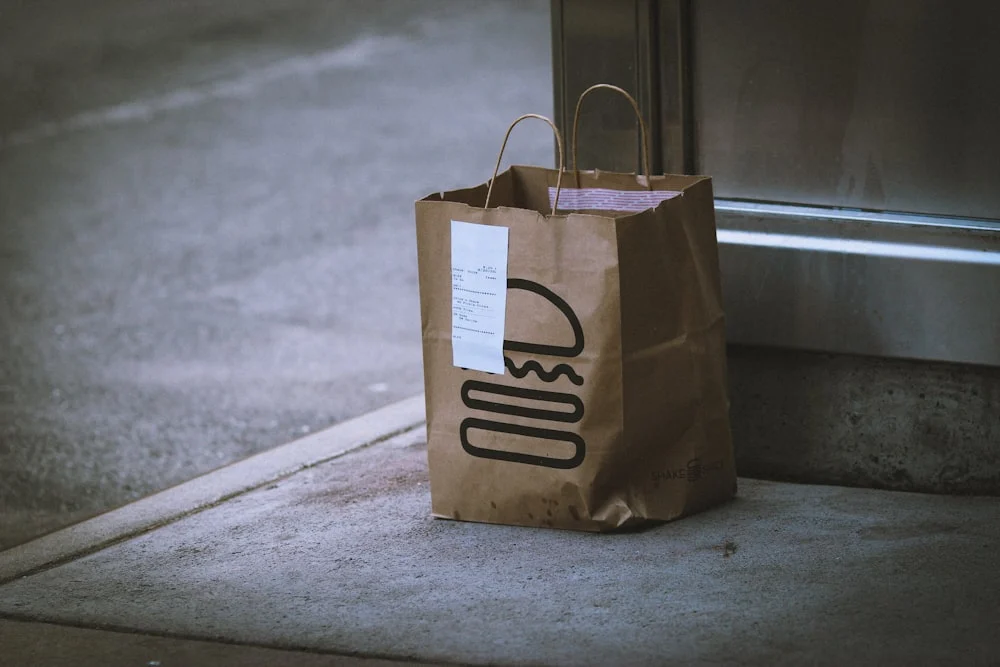
    uber eats menu optimization brown paper bag on gray concrete floor
    Protect Your Margin

    Grow Volume Without Discounting It Away

    Offers Built On A Margin Model

    Know the real cost of every promotion before it runs.

    Slow-Period Targeting

    Fill demand gaps without discounting peak hours.

    Acceptance Rate & Ready-Time

    Fix the operational signals that hurt visibility.

    Category & Search Tagging

    Show up in every relevant browse category.

    uber eats menu optimization person taking picture of vegetables
    Turn Orders Into Repeat Customers

    Marketing That Drives Revenue, Not Just Clicks

    In-App Retention Offers

    Bring customers back without needing off-platform data.

    Cross-Channel Bridge

    Move Uber Eats customers to channels you actually own.

    Performance Reporting

    Win first orders efficiently from nearby demand.

    Performance Reporting

    Real Uber Eats Manager data, not vanity metrics.

    uber eats menu optimization person taking picture of vegetables
    Why Restaurants Choose Mindshare

    One Partner For Every Part Of Uber Eats Growth

    Marketplace Algorithm Experts

    We know what actually drives ranking inside the app.

    POS & Uber Eats Manager Sync

    Menus and orders stay accurate automatically.

    24×7 Dedicated Support

    A team that understands restaurants.

    Complete Growth Partner

    Setup, ads, promotions, reviews, retention.

    uber eats menu optimization Man smiling while using a tablet in the kitchen.
    Win More Orders

    Turn App Browsing Into Placed Orders

    Sponsored Listings & Ads Manager

    Win the top placements customers actually tap.

    Menu Structure & Naming

    Categories and item names that convert faster scrolls.

    Ratings & Review Management

    Protect the score that drives ranking.

    Multi-Location Rollout

    Consistent menus and promos across every store.

    uber eats menu optimization brown paper bag on gray concrete floor
    Protect Your Margin

    Grow Volume Without Discounting It Away

    Offers Built On A Margin Model

    Know the real cost of every promotion before it runs.

    Slow-Period Targeting

    Fill demand gaps without discounting peak hours.

    Acceptance Rate & Ready-Time

    Fix the operational signals that hurt visibility.

    Category & Search Tagging

    Show up in every relevant browse category.

    uber eats menu optimization person taking picture of vegetables
    Turn Orders Into Repeat Customers

    Marketing That Drives Revenue, Not Just Clicks

    In-App Retention Offers

    Bring customers back without needing off-platform data.

    Cross-Channel Bridge

    Move Uber Eats customers to channels you actually own.

    Performance Reporting

    Win first orders efficiently from nearby demand.

    Performance Reporting

    Real Uber Eats Manager data, not vanity metrics.

    uber eats menu optimization person taking picture of vegetables
    Why Restaurants Choose Mindshare

    One Partner For Every Part Of Uber Eats Growth

    Marketplace Algorithm Experts

    We know what actually drives ranking inside the app.

    POS & Uber Eats Manager Sync

    Menus and orders stay accurate automatically.

    24×7 Dedicated Support

    A team that understands restaurants.

    Complete Growth Partner

    Setup, ads, promotions, reviews, retention.

    uber eats menu optimization Man smiling while using a tablet in the kitchen.

    Real Results. Real Relationships.

    More than marketing. More than technology. A true restaurant growth partner.

    ExcellentGoogle star 1Google star 2Google star 3Google star 4Google star 55.024 reviews
    5.0Google star 1Google star 2Google star 3Google star 4Google star 5
    Excellent24 reviews
    What We Offer

    Everything You Need for Uber Eats: One Partner, Start to Finish

    Clear deliverables. Tailored to what you actually need.

    01
    Setup & Foundations

    Getting your Uber Eats store set up and structured right from day one.

    Get a Quote
    • Category structure and ordering rebuilt around how customers actually browse in-app
    • Item naming and description rewrites that clarify and convert without gimmicks
    02
    Menu Structure & Sync

    Turning Ads Manager, promotions, and menu strategy into more orders.

    Get a Quote
    • Upsell and modifier placement designed to lift average order value
    • Duplicate, outdated, or low-performing item cleanup
    03
    Ongoing Support

    Keeping ranking, ratings, and retention improving month over month.

    Get a Quote
    • POS-to-Uber Eats menu sync so pricing and availability stay accurate automatically
    • Ongoing menu performance review using Uber Eats Manager item-level data
    +
    Multi-Location / Custom

    For restaurant groups and franchises with custom goals across locations.

    Contact Us
    • Custom strategy across stores
    • Dedicated senior strategist
    • Centralized reporting
    Everything Uber Eats Marketing

    Every Uber Eats Growth Service Under One Roof

    One partner handling setup, ads, menu, promotions, reviews, and retention for restaurants on Uber Eats.

    Uber Eats Menu Optimization for Restaurants

    A menu built for a printed dine-in format almost never performs well inside Uber Eats. Customers browsing the app are scrolling fast, comparing options across multiple restaurants in the same session, and deciding within seconds whether an item is worth tapping. Category order, item names, description length, and where an upsell is placed all directly affect whether that scroll turns into an order and how large that order ends up being. Menu optimization is structural work: how the menu is organized, named, and kept accurate inside Uber Eats Manager, not photography and not a redesign of the food itself.

    • Category structure and ordering rebuilt around how customers actually browse in-app
    • Item naming and description rewrites that clarify and convert without gimmicks
    • Upsell and modifier placement designed to lift average order value
    • Duplicate, outdated, or low-performing item cleanup
    • POS-to-Uber Eats menu sync so pricing and availability stay accurate automatically
    • Ongoing menu performance review using Uber Eats Manager item-level data

    Category Structure Decides What Gets Seen First

    Uber Eats displays menu categories in the order a restaurant sets them in Uber Eats Manager, and most restaurants default to whatever order matches their printed menu: appetizers, entrees, desserts. That's not how delivery customers browse. We typically lead with the categories carrying the highest margin and strongest sell-through, sometimes a signature items or bundles category ahead of general appetizers, because the first two or three categories get disproportionately more attention before a customer either commits or moves to the next restaurant in their search results.

    Item Names and Descriptions Have to Work Without a Photo or a Server

    In a dine-in setting, a server can describe a dish and answer questions. In the app, the item name and a short description are doing all of that work alone. Vague names ("Chicken Sandwich") and generic descriptions leave a customer guessing, and guessing customers scroll past. We rewrite names and descriptions to be specific about what makes an item distinct, portion, key ingredients, preparation style, without turning them into cluttered paragraphs that slow down a fast-scrolling customer. This is a naming and structure exercise, not a photography project; we don't shoot or source food images as part of this work.

    Upsell Placement Is a Structural Decision, Not a Suggestion Popup

    Average order value on Uber Eats is heavily influenced by where add-ons, sides, and combo options sit in the ordering flow, and by how modifiers are grouped on each item. A well-placed "add a drink" or "make it a combo" prompt at the right point in the flow lifts order value consistently; a modifier list buried three taps deep gets ignored. We restructure modifier groups and cross-sell placement based on what actually gets a delivery customer to add one more item before checkout, using order data from Uber Eats Manager to see which placements are converting and which aren't.

    Menu Accuracy Depends on POS Sync, Not Manual Updates

    A menu that looks great on day one degrades fast if pricing changes, 86'd items, or new specials require someone to manually update Uber Eats Manager separately from the POS. We set up and verify POS-to-Uber Eats sync so that price changes, availability, and out-of-stock items update automatically across the platform. This matters for order accuracy and customer trust: nothing damages a rating faster than a customer ordering an item that gets canceled because it was actually unavailable, and rating trends directly affect visibility and ranking inside the app.

    Menu Optimization Is an Ongoing Process

    The first optimization pass fixes structure, naming, and sync. After that, we review item-level performance data inside Uber Eats Manager on a recurring basis, order volume by item, attach rate on modifiers, category-level conversion, and adjust accordingly. Menus that get optimized once and left alone drift back toward underperformance as customer preferences and local competition shift; the restaurants that sustain higher order value keep revisiting the data.

    Our Uber Eats Menu Optimization Process, Step by Step

    Menu optimization isn't a single rewrite; it's a sequence, and skipping steps tends to produce a menu that looks better without actually converting better.

    1. Pull item-level and category-level performance data from Uber Eats Manager to see what's actually selling and what's being scrolled past.
    2. Rebuild category order around margin and sell-through rather than a copied dine-in menu structure.
    3. Rewrite item names and descriptions to be specific about ingredients, portion, and preparation, without turning them into long paragraphs.
    4. Restructure modifier groups and cross-sell prompts around where customers actually add items, not where they're easiest to insert technically.
    5. Remove or consolidate duplicate, outdated, or chronically low-performing items that clutter the browsing experience.
    6. Set up or verify POS sync into Uber Eats Manager so pricing, availability, and 86'd items update automatically going forward.
    7. Schedule a recurring review, at minimum quarterly, to catch drift before it affects order value.

    Before and After, What Actually Changes With Uber Eats Menu Optimization

    Owners often ask what menu optimization changes in concrete terms, since the food itself doesn't change at all. Here's the practical comparison we walk clients through.

    ElementTypical unoptimized stateOptimized state
    Category orderMirrors a printed dine-in menu: appetizers, entrees, dessertsLeads with highest-margin, strongest-selling categories
    Item namesGeneric ("Chicken Sandwich")Specific about ingredient, prep, or portion without clutter
    ModifiersBuried several taps deep, ignored by most customersSurfaced at the point in the flow where add-ons actually convert
    Menu updatesManual, dependent on someone remembering to update Uber Eats Manager separatelySynced automatically from the POS
    Review cadenceSet once at launch, rarely revisitedReviewed on a recurring schedule against real order data

    Menu Mistakes That Undercut Order Value

    Most of the underperforming menus we audit share a few of the same problems, regardless of cuisine type or store size.

    • Treating the app menu as a direct copy of the printed dine-in menu instead of a browsing experience built for fast scrolling.
    • Writing item descriptions either so vague they don't differentiate anything, or so long they slow down a customer mid-scroll.
    • Leaving high-margin items buried in a generic category instead of surfacing them where they'll actually get seen.
    • Relying on manual updates instead of POS sync, which reliably leads to canceled orders on items that were actually unavailable.
    • Optimizing once at launch and never checking item-level data again, letting the menu drift back toward underperformance.

    Item Naming Examples, Vague vs Specific

    Small changes in how an item is named and described change how quickly a scrolling customer understands what they're looking at, and whether it's worth stopping for.

    Vague versionSpecific versionWhy it converts better
    Chicken SandwichCrispy Buttermilk Chicken Sandwich, Pickles, Spicy MayoSignals preparation style and flavor profile in the name itself
    SaladGrilled Chicken Cobb Salad, Half or Full SizeClarifies protein, format, and portion choice up front
    Pasta SpecialWild Mushroom Pappardelle, Made Fresh DailySignals a limited, higher-value item worth a premium price

    How Modifier Structure Affects Kitchen Accuracy, Not Just Order Value

    Modifier groups get discussed mostly in terms of upsell, but poorly structured modifiers cause a second, quieter problem: kitchen errors. When modifier options are ambiguous or a required choice is missing, a ticket can arrive at the kitchen without enough information to prepare the order correctly the first time.

    That produces remakes, delays, and in some cases a canceled or refunded order, all of which affect order-ready-time accuracy and, over time, the rating that feeds into how the restaurant ranks in the app. Fixing modifier structure is as much a fulfillment accuracy project as it is an order-value project, which is why we review it alongside menu optimization rather than treating it as a separate task.

    Writing Descriptions That Convert Without Slowing the Scroll

    A description has to do a lot of work in very little space: confirm what the item is, add one or two details a name alone can't convey, and stop a scrolling customer just long enough to consider tapping. We generally aim for a single sentence, sometimes two short ones, that answers the question a customer would otherwise ask a server.

    That might mean naming the sauce, the cooking method, or a notable ingredient, whatever actually differentiates the dish from a similar one at a competing restaurant nearby. What we avoid is stacking adjectives that don't add real information, "delicious," "amazing," "mouthwatering," since those words don't help a customer decide and they take up space a useful detail could have used instead.

    How Category Order Interacts With Uber Eats Search

    Category order affects browsing customers directly, but it also interacts with how a restaurant's menu performs when a customer arrives through a search term rather than by browsing a category page. Items in strong, clearly labeled categories tend to have more consistent naming and structure, which helps them surface cleanly when a customer searches for a specific dish or ingredient.

    A messy category structure, duplicate categories, items filed somewhere illogical, doesn't just confuse a browsing customer, it makes the underlying menu data noisier, which can make specific items harder to find through search as well. Cleaning up category structure is foundational work that supports both browsing conversion and search visibility at the same time.

    Duplicate and Low-Performing Item Cleanup, What We Look For

    Menus that have been live for years tend to accumulate items nobody actively decided to keep: a seasonal special that never got removed, two nearly identical entrees added at different times, a modifier group duplicated across items when it should have been shared. Cleanup isn't about cutting the menu down arbitrarily, it's about removing what's actively adding noise without adding sales.

    • Items with consistently low or zero order volume over a meaningful review period, once seasonality is accounted for.
    • Near-duplicate items that likely split demand and confuse customers rather than genuinely serving two different needs.
    • Modifier groups that were copied and slightly diverged across items instead of staying standardized.
    • Legacy items tied to discontinued ingredients or recipes that the kitchen no longer actually prepares consistently.

    Each removal is checked against the item's margin and any loyal following before it's cut, since a low-volume item can still be worth keeping if it's genuinely high-margin or tied to customer loyalty.

    How We Prioritize Which Items to Rewrite First

    A full menu rewrite can involve dozens of items, and not every item deserves the same level of attention at the same time. We prioritize based on where a rewrite is most likely to move a real number, rather than working straight down the menu in whatever order it currently appears.

    1. High-order-volume items first, since even a small conversion lift on a popular item compounds across many orders.
    2. High-margin items next, since improving their visibility and appeal has an outsized effect on overall profitability.
    3. Items with the vaguest existing names and descriptions, since those have the most obvious room to improve.
    4. Items sitting in weak positions within their category, where better placement combined with a better name and description compounds the effect.
    5. Everything else, addressed on a rolling basis as part of the recurring review cycle rather than all at once.

    For multi-location groups, the same prioritization runs at the group level as well as the item level: the location with the highest order volume and the most room for improvement gets its menu addressed first, since fixes there compound fastest, before the same standard is rolled out to every other store in the account.


    Let's Build Your Uber Eats Menu Optimization Plan

    Mindshare restructures your Uber Eats menu, categories, item names, and upsell placement, then syncs it to your POS so it stays accurate automatically.

    Free Strategy Session

    Custom Growth Plan

    Competitor Analysis

    Revenue-Focused Recommendations

    Frequently Asked Questions

    No. Menu optimization is entirely about structure, categorization, naming, descriptions, and syncing the menu with your POS. We don't provide food photography or photo shoots as part of this or any service.

    Regular customers who already know what they want typically use search or reorder from history, so category reordering has minimal impact on them. It primarily affects new and browsing customers, which is exactly the group category structure is optimized for.

    Without sync, someone has to manually mirror every price change, 86'd item, and new special into Uber Eats Manager separately. Miss one update and a customer orders something unavailable or at the wrong price, which leads to cancellations and rating damage. Sync removes that manual step entirely.

    Yes. Restructuring modifier groups, upsell placement, and combo visibility typically increases items per order and attach rate without touching menu pricing at all.

    We recommend a full performance review at least quarterly, using item and category-level data from Uber Eats Manager, with smaller adjustments made any time a new item, seasonal change, or POS update occurs.

    Yes. We build a consistent menu structure standard across every location in a multi-location account while still accounting for location-specific items, pricing, or availability differences.

    Jay Mehta, Founder and Growth Partner at Mindshare Consulting
    20+Years
    Meet Your Growth Partner

    Meet Jay Mehta

    Founder & Growth Partner, Mindshare Consulting Inc.

    For more than 20 years, Jay has helped businesses grow through marketing, technology, automation, and customer acquisition. Today he leads Mindshare Consulting's approach to restaurant delivery marketplace marketing, applying that same discipline to how restaurants compete for visibility and orders on Uber Eats.

    20+Years Experience
    250+Projects Delivered
    Third-Party OrderingIndustry Focus
    AI-PoweredSmarter Marketing
    “

    Getting listed on Uber Eats isn’t the goal. Getting found, ranked, and reordered from is, and that takes an actual marketing program, not a one-time setup.

    Jay Mehta, Founder
    © 2026. All rights reserved by Mindshare Consulting Inc