

For a home-service business serving Austin, Leander, Kyle, Manor or Dripping Springs, getting found is only the first step. Homeowners also need to understand what you offer, trust your team and reach someone when they need help.
Your Google Business Profile, website, reviews and response process should work together to turn an inquiry into a booked job.
Here are nine priorities for Austin-area contractors in 2026, with practical steps you can take.
1. Your Google Business Profile Is Often Your First Impression
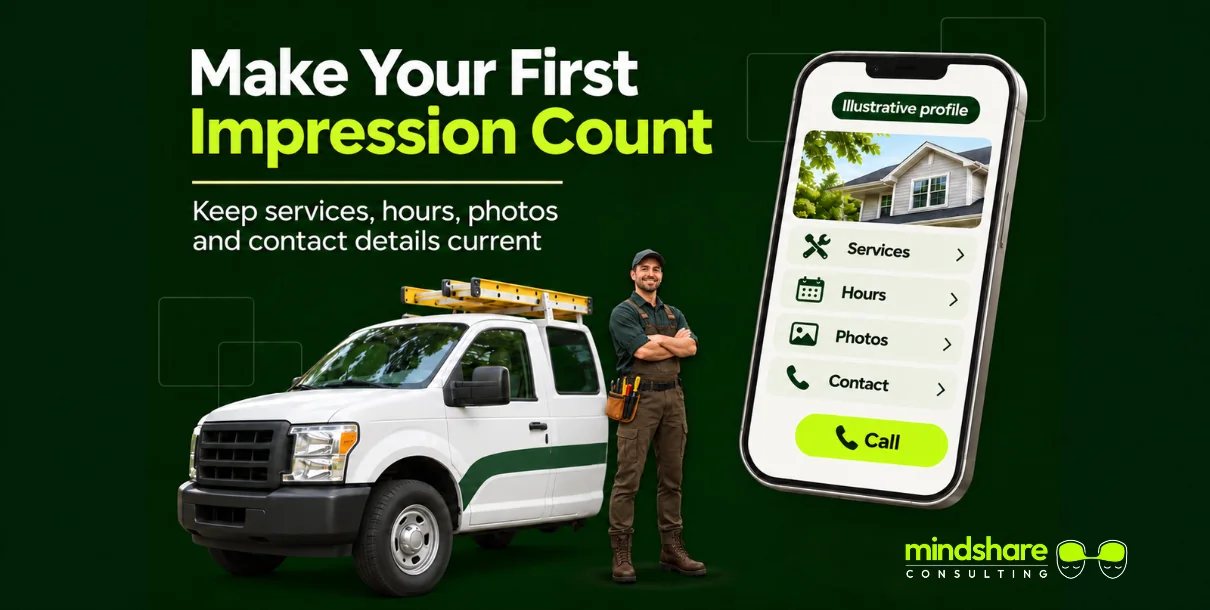
For an urgent repair, a homeowner can compare nearby businesses and call directly from Google Search or Maps. Your Google Business Profile may be their first interaction with your company.
Keep your services specific, your hours accurate and your contact information current. Clearly explain emergency or after-hours availability if you offer it. Upload recent photos of real jobs, your team and your trucks so customers can see the business behind the listing.
List the areas you actually serve, but remember that adding a city to your profile does not guarantee visibility there. Google’s local results consider relevance, distance and prominence.
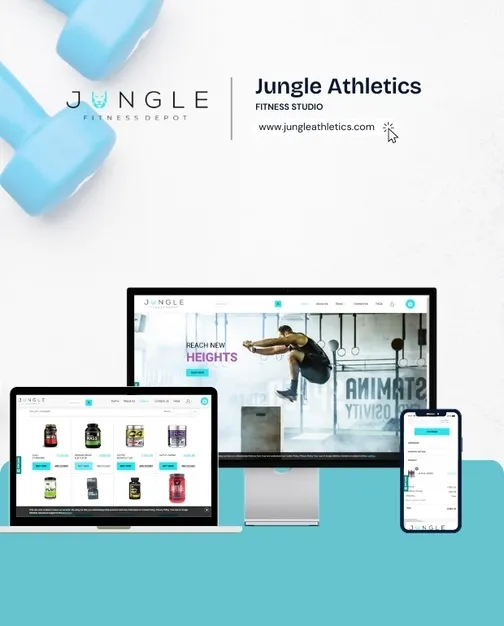
Your website supports that first impression. Effective home services website design helps visitors understand your services, evaluate your experience and take the next step.
2. Build Useful Pages for Your Core Service Areas
An “Areas We Serve” page helps visitors understand your coverage. Dedicated pages can provide more useful information for the communities where you regularly work.
For example, an HVAC company serving Kyle could explain which installation, repair and maintenance services it offers there, how scheduling works and what customers can expect during a visit. Actual project photos and relevant customer feedback can make the page more helpful.
Each page should have a clear purpose beyond repeating a city name. Avoid creating near-identical pages solely to target different locations. Explain what customers in that area can actually expect from your business, including the services available and any scheduling or coverage limitations.
Start with three or four areas where you already have experience and consistent demand. Build those pages properly before expanding.
3. Make Your Business Clear to Search Engines and AI Features
Google’s AI Overviews and AI Mode give people additional ways to discover information. For contractors, the practical foundation remains familiar: publish useful content, keep business information accurate and make your website accessible to search engines.
Established SEO practices remain relevant, and inclusion in AI search features is not guaranteed.
Write plain-language pages that explain what you do, where you work and how your process operates. Answer the questions customers ask before booking:
- What does a diagnostic visit include?
- How do you determine the final price?
- Do you offer emergency appointments?
- What happens after someone requests an estimate?
- Which areas do you serve?
Keep your business name, contact details and service information accurate across your website and major listings. Focus on helping people understand your company and make an informed decision.
4. Make Recent, Detailed Reviews Part of Your Routine
A star rating gives homeowners a quick overview. Individual reviews give them context: the work completed, how the team communicated and whether the customer felt the job was handled well.
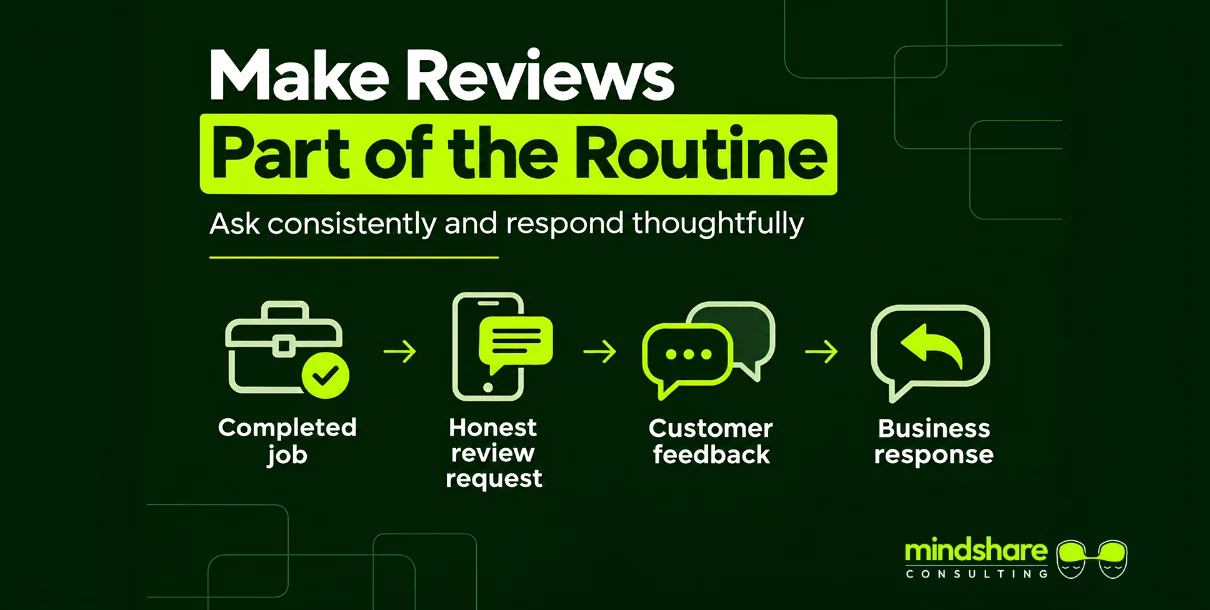
Build review requests into your normal follow-up process. After a completed job, send a short request with a direct review link through an appropriate customer communication channel. Invite honest feedback consistently rather than asking only customers you expect to leave positive reviews.
Reply thoughtfully to feedback, including complaints. A useful response shows future customers how your business handles communication and concerns.
Reviews also matter for local visibility. Review volume and positive ratings can help support your business’s local ranking. Treat review collection as an ongoing part of customer service rather than an occasional campaign.
5. Close the Gap Between an Inquiry and a Response
When someone needs a plumber or an AC repair, an unanswered call creates uncertainty. A prompt acknowledgment helps them understand whether your team can help and what happens next.
Review what happens when a call goes unanswered or a form arrives while everyone is working. A missed-call text, an online appointment request and a clear confirmation can help keep the conversation moving.
Make those messages useful. Confirm that the inquiry was received, explain when a person will respond and distinguish an appointment request from a confirmed booking.
A clear quote request funnel makes it easier for homeowners to submit the details your team needs to follow up.
Set a response target your team can realistically maintain, then track whether you meet it. For urgent services, be clear about whether someone is available now or whether the customer should expect a callback during business hours.
6. Build Direct Customer Relationships
Lead marketplaces can be useful when you need additional inquiries. However, check each platform’s terms, costs and lead-sharing arrangements before relying on it.
Alongside those platforms, invest in your website and permission-based customer list. Your Google Business Profile remains valuable, but it is a third-party platform rather than an asset you fully control.
Ask customers whether they would like relevant follow-up messages. An HVAC contractor could send a maintenance reminder, while a landscaper could follow up about recurring service.
Keep messages useful, respect communication preferences and make opting out straightforward. The goal is to make it easy for satisfied customers to work with you again.
Over time, repeat business and referrals can give your company a steadier source of inquiries alongside search, advertising and marketplace leads.
7. Explain Pricing Before the First Call
Not every home-service job can be priced accurately online. Customers can still benefit from knowing how your pricing works.
Explain whether you charge for a diagnostic visit, what an estimate includes and which factors affect the final cost. If you publish starting prices or typical ranges, clearly describe what they cover and when additional charges may apply.
For example, a Cedar Park plumbing company could explain the difference between its diagnostic charge and the repair estimate provided after inspection.
If you offer different service or equipment options, describe what changes between them. Help customers understand the scope, materials, warranties or ongoing maintenance involved.
Clear expectations give homeowners something useful to evaluate before they contact you.
8. Show Real Work Through Photos and Short Videos
Real project images help homeowners see the work your company performs. A short video can also explain a problem, demonstrate a process or introduce the person arriving at their home.
A landscaper serving Leander could share before-and-after images from a completed project, with the customer’s permission. An HVAC technician could explain why a component needed replacement and what the homeowner should watch for next.
Keep the content simple and specific. Explain the problem, the work completed and the result without exposing customer information.
Use these assets across relevant service pages, your Google Business Profile and social accounts. Add context so visitors understand what they are seeing.
You do not need every video to be a professional production. Clear sound, steady footage and a useful explanation are a practical starting point.
9. Keep Your Brand Consistent Across Every Customer Touchpoint
Homeowners want to know who they are contacting and who will arrive at their property.
Use a consistent business name, logo, colors and contact information across your website, listings, trucks, uniforms, estimates and invoices. Make your service descriptions and availability consistent as well.
Consistent brand design helps customers recognize your business across your website, vehicles and printed materials.
Check the full customer journey. If someone finds you on Google, visits your website and receives an appointment confirmation, every step should clearly identify the same company.
That consistency also makes it easier for customers to recognize your team when they arrive and find your business again when they need another service.
Measure What Turns Into Booked Work
Marketing decisions become more useful when you can connect activity to business results.
Track qualified calls, appointment requests, booked jobs and repeat customers. Review missed calls and response times to identify inquiries that may be slipping through.
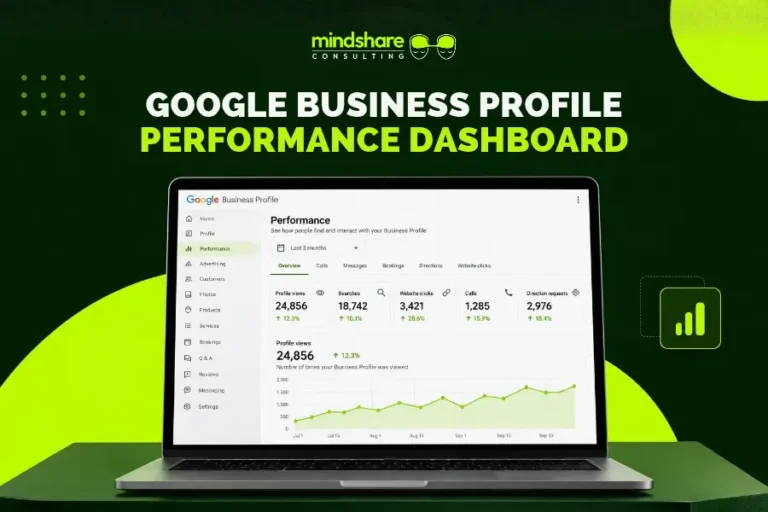
Our guide to Google Business Profile performance explains which profile metrics to monitor and how to interpret them.
For paid channels, calculate cost per booked job alongside cost per lead. A channel generating many inquiries may be less valuable than one producing fewer customers who are a good fit for your services.
Ask which services and locations generate worthwhile jobs, too. More inquiries will not necessarily help if they come from outside your coverage area or involve work your team does not provide.
Use those findings to decide where to invest next.
Where to Start
You do not need to tackle all nine priorities at once. Start with three:
- Complete and update your Google Business Profile. Check your services, hours, contact details and recent photos.
- Introduce a consistent review request process. Make it easy for customers to share honest feedback after completed jobs.
- Acknowledge inquiries promptly. Make sure missed calls and website submissions receive a clear response with realistic next steps.
Then improve the service pages and customer follow-up processes that support those first interactions. Review the results regularly so your next investment addresses a real gap in how customers find, evaluate or contact your business.
Want More Qualified Local Inquiries for Your Home-Service Business?
Mindshare Consulting helps Austin-area home-service businesses improve local search visibility through Google Business Profile management, useful service-area content and review request processes.
Explore our home services local SEO services, or contact our team to discuss your priorities. You can also call +1 (512) 621-8822.