

A surprising number of businesses build the wrong type of website simply because it’s the default their web designer defaulted to, not because anyone actually evaluated which model fits the business. Getting this decision wrong doesn’t just waste build budget (it actively works against how customers in your industry actually decide to buy, which shows up later as low conversion rates nobody can quite explain.
The Core Difference
Baymard Institute, which studies e-commerce UX across thousands of sites, has long documented how much checkout friction alone affects conversion, which is exactly why matching the model to the sale matters before a single design decision gets made.
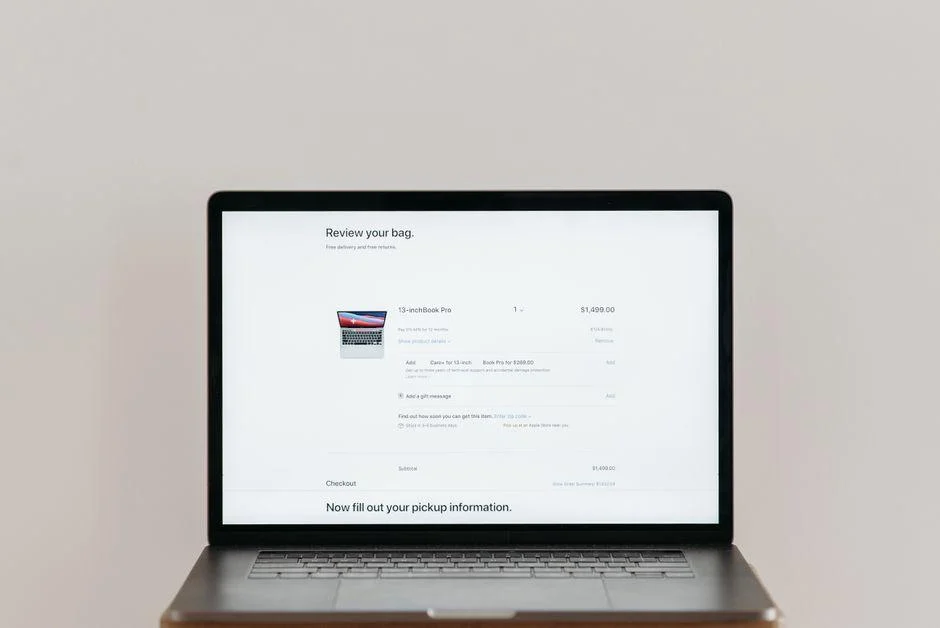
An e-commerce site is built around a checkout: browse, add to cart, pay, done, with minimal human involvement in the transaction itself. A lead generation site is built around getting a visitor to start a conversation) a call, a form submission, a quote request (because the actual sale requires a conversation, a quote, or a service visit before money changes hands. These aren’t just different templates; they optimize for entirely different visitor behavior, and using one model’s structure for the other’s business type creates friction at exactly the moment you’re trying to convert.
When E-Commerce Is Actually the Right Model
- Fixed, comparable pricing. If your product has a set price that doesn’t change based on a conversation (a t-shirt, a piece of jewelry, a subscription box), customers expect to buy it the way they buy anything else online) instantly, without waiting for a callback.
- Low-to-medium price point, low customization. The lower the price and the more standardized the product, the less a customer wants a sales conversation before buying. Nobody wants to schedule a call to buy a $40 item.
- Repeat purchase potential. If customers buy from you more than once, an account-based checkout with saved payment and shipping info removes friction on every subsequent order (a lead-gen contact form doesn’t capture this repeat-purchase value at all.
When Lead Generation Is Actually the Right Model
- Price depends on specifics. Home services, legal work, most B2B services, custom fabrication) if the real price requires knowing the customer’s specific situation, a checkout button is premature. Forcing a fake “starting at” price onto a site like this either underquotes and loses margin, or overquotes and loses the lead.
- High consideration, high trust requirement. Anything where the customer is evaluating who they trust as much as what they’re buying (a contractor, a healthcare provider, a law firm) benefits from a conversation before commitment, not a cart.
- Long sales cycle or recurring relationship. B2B software, ongoing service contracts, and anything sold to a business rather than a consumer usually involves multiple stakeholders and a longer decision process that a single-page checkout can’t accommodate.
The Hybrid Case (More Common Than You’d Think)
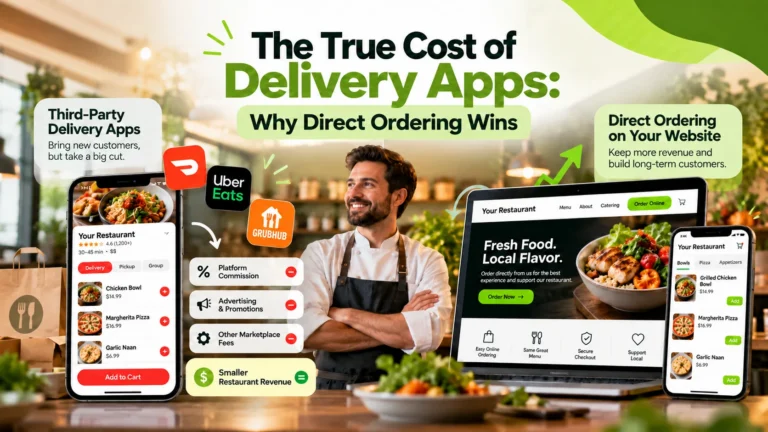
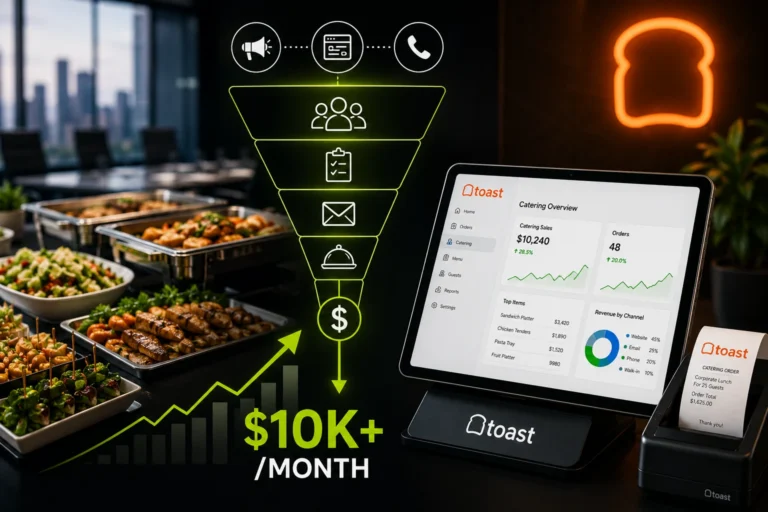
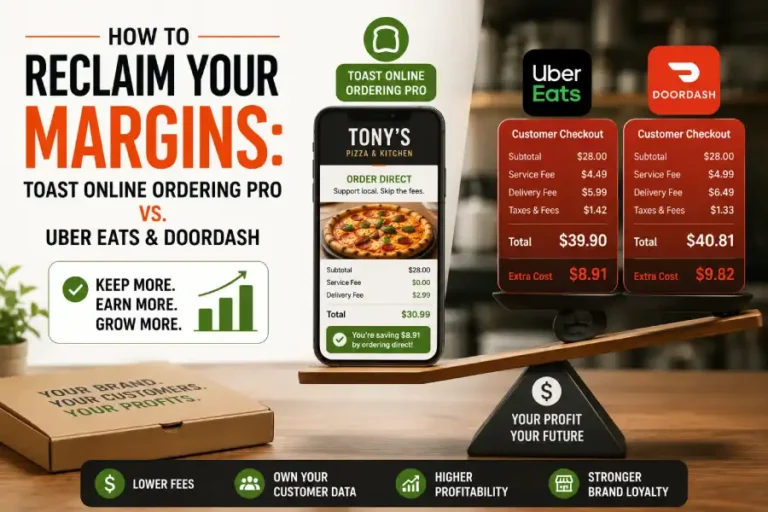
Plenty of Austin businesses genuinely need both models on the same site, and treating this as an either/or choice costs them business either way. A restaurant is the clearest example: online ordering needs a real e-commerce checkout (menu, cart, payment, order confirmation), while catering inquiries for a 200-person event need a lead-generation contact flow, because that sale genuinely requires a conversation about headcount, menu customization, and logistics. We build this exact hybrid structure into every restaurant website design project (instant checkout for standard orders, a proper lead form for anything that needs a human.
A jewelry business is another common hybrid: ready-to-ship pieces sell fine through e-commerce, while custom or high-value pieces genuinely benefit from a consultation-first lead flow rather than an impulse checkout button.
The Question That Actually Decides It
Ask this: “Can a customer decide to buy this, and know the exact final price, without talking to anyone?” If yes, build e-commerce. If the honest answer is “it depends,” or “we’d need to talk to them first,” build lead generation) and resist the temptation to force a checkout button onto a business model that doesn’t actually support one, just because it looks more modern.
How Mindshare Consulting Helps
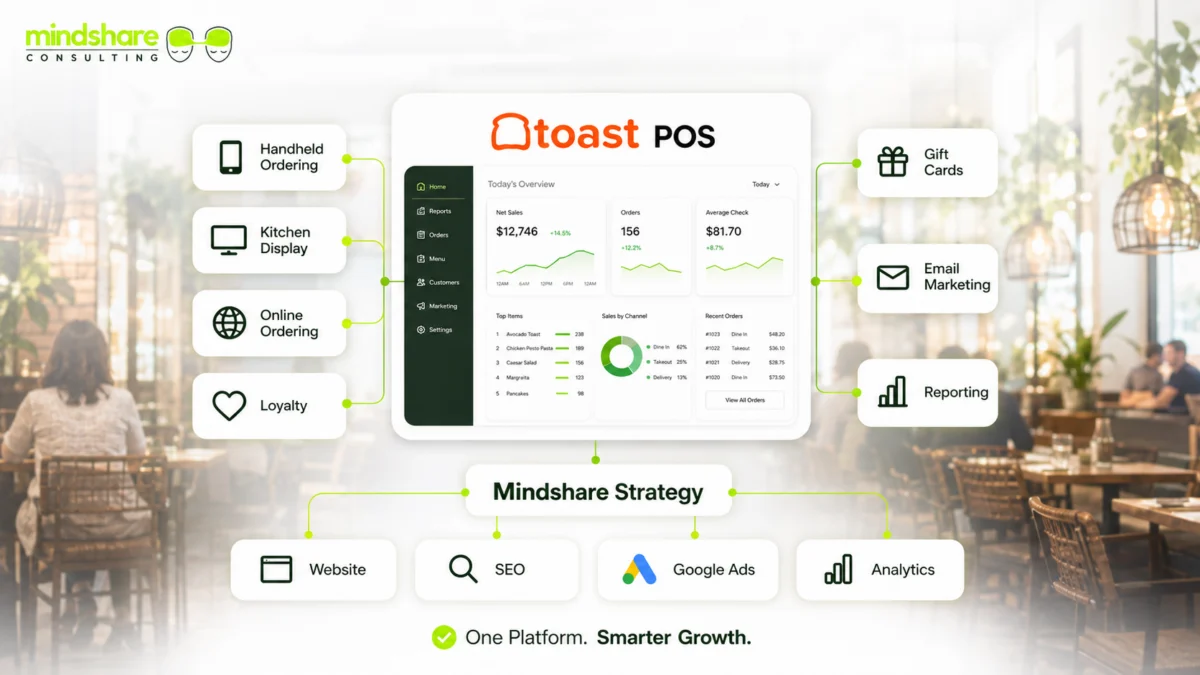
We start every website project by mapping the actual sales process before choosing a site structure, not the other way around. Our Web Design Austin Texas page covers our full build approach for both models (and the hybrid version), matched to how your specific business actually closes a sale.
Conclusion
Whichever model fits, site performance matters either way. See our Core Web Vitals guide for what to check once it’s built.
The right website model isn’t a design preference, it’s a direct reflection of how your customers actually decide to buy from you. Match the site to the real sales process, not the other way around, and conversion problems that look like a marketing issue often resolve themselves.