


Unpacking the Power of Social Commerce
What is this buzzword “Social Commerceu201d?
Social commerce has emerged as one of the most transformative forces in the digital landscape. Put simply, social commerce means selling products and services directly through social media platforms such as Instagram, Facebook, and TikTok, integrating the entire shopping journey from discovery to checkout within usersu2019 favorite apps. This goes far beyond traditional social media marketing, where the aim was brand awareness or engagement. Now, your audience can move from inspiration to purchase in just a few taps, dissolving the lines between social conversation and real business transactions.
I am Jay Mehta, owner of Mindshare Consulting, and for over twenty years I have helped brands turn each new channel into revenue, first search, then social, and now social commerce. This piece shares what is working for our clients right now.
Whatu2019s the impact of it on my business?
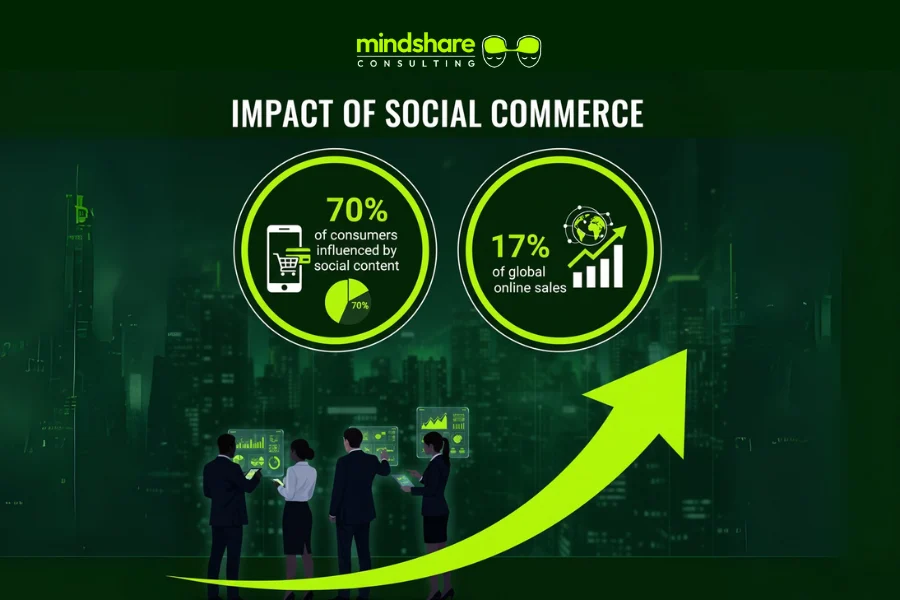
The impact of social commerce on businesses is profound and rapidly growing. For companies of all sizes and across industries, from manufacturing to local business services. The ability to turn social followers into actual clients represents a seismic shift in how sales are generated. Statistics show that more than 70% of consumers have made a purchase influenced by social content, and social commerce already contributes to over 17% of global online sales in 2025, numbers that are only projected to rise. Businesses not participating risk falling behind competitors who are leveraging these new tools to drive measurable growth and customer loyalty.
Oh, This is Good. How can I tap into this to benefit my business?
Tapping into the power of social commerce isnu2019t just about setting up shop on Facebook or adding a “Shop Nowu201d button. Itu2019s about building a strategy that matches your unique business goals. Identifying the right platforms, creating engaging content, harnessing influencer credibility, and tracking every conversion and client booking that results. This is where partnering with a proven social commerce agency like Mindshare Consulting Inc becomes crucial. With deep expertise across industries and a focus on maximizing ROI, Mindshare Consulting Inc helps you design campaigns that turn even the most casual follower into a loyal client, all while providing clear insights into whatu2019s working for your bottom line.
How is social commerce able to deliver ROI across industries?

Social commerce platforms (Instagram Shops, Facebook Shops, TikTok Shop, etc) provide deep integration between content, storefront, and payment gateways, enabling frictionless experiences from discovery to purchase, social commerce enables you to target audiences with surgical precision and track every sale back to specific social actions.
Guided by Mindshare Consulting Inc.’s data-driven approach, companies arenu2019t just hoping for results, theyu2019re achieving measurable growth, higher conversion rates, and improved profitability across the board.
What are Social Commerce Trends & Whatu2019s Driving Results?
Social commerce trends can be defined by the effective collaboration between rapid product innovation and faster execution of customer-centric buying journeys, where each new trend creates more opportunities to drive real ROI. Following are a few trends that were successful this year.
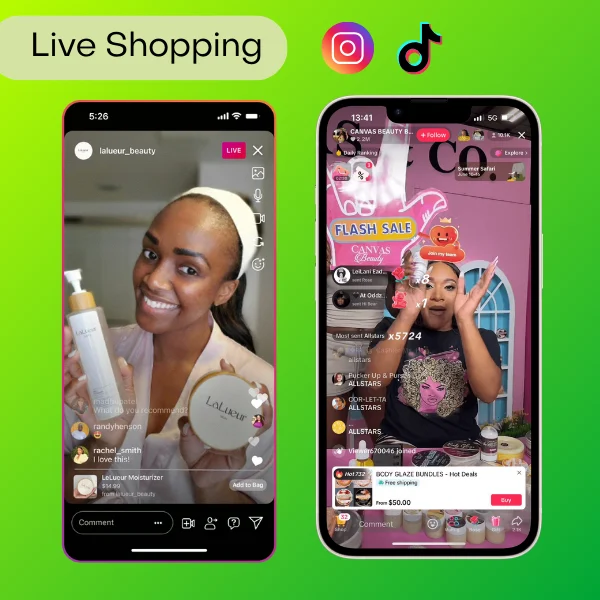
Live Shopping is supercharging engagement and instant sales. Brands use real-time events on Instagram & TikTok for product launches, Q&As, and exclusive drops. These interactive sessions not only boost conversions but also let audiences ask questions and receive legit answers from the host and other real members in the moment.
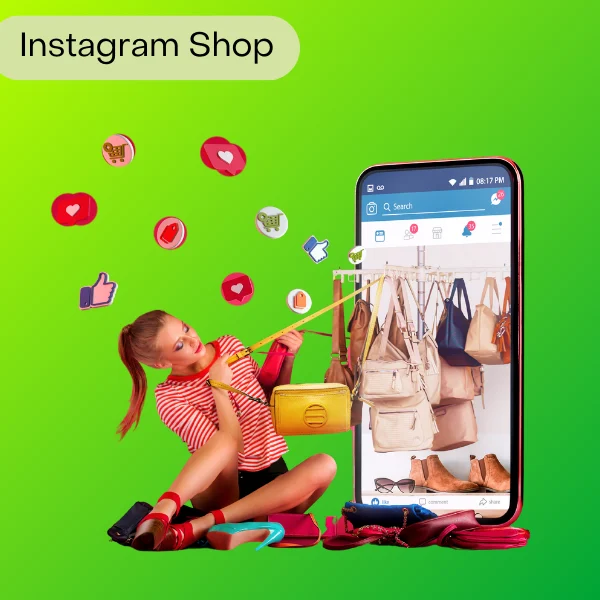
Instagram Shops and Shoppable Posts empower users to buy products without ever leaving their favorite platform. With native checkout and seamless product discovery, these features reduce friction and help brands capture impulse buys effectively. Retail, jewellery, fitness, and even service providers now use shoppable galleries to drive purchases, appointments, or bookings.
Short-Form Video content is the top ROI driver for 71% of marketers, far outpacing long-form content. Bite-sized videos on TikTok, Instagram Reels, and YouTube Shorts captivate younger audiences and boost sharing, awareness, and conversions. Demonstrations, behind-the-scenes clips, and testimonials build trust and inspire immediate action.


Influencer Marketing remains critical: 49% of consumers report making purchases through influencer recommendations monthly, and 86% do so at least once a year. Effective social commerce agencies pair industry-relevant influencers with shoppable campaigns, ensuring authenticity and new audience reach.
User-Generated Content (UGC) continues to influence 90% of shoppersu2019 buying decisions. Customer reviews, unboxing videos, and real client posts outperform brand-generated ads, especially for local services and B2C segments. For startups, local service providers, and B2C businesses in particular, UGC can be a game-changer. It not only builds trust but also sparks engagement, encourages word-of-mouth referrals, and extends brand reach without additional ad spend.
What drives ROI with the help of a social commerce agency is a blend of such trends with robust analytics. Tracking every click, engagement, and conversion. Forward-thinking brands are connecting live video, shop features, influencer partnerships, and UGC into cohesive campaigns that seamlessly transform engagement into measurable business results.
Engagement Into Revenue: The Metrics That Prove Social Commerce ROI
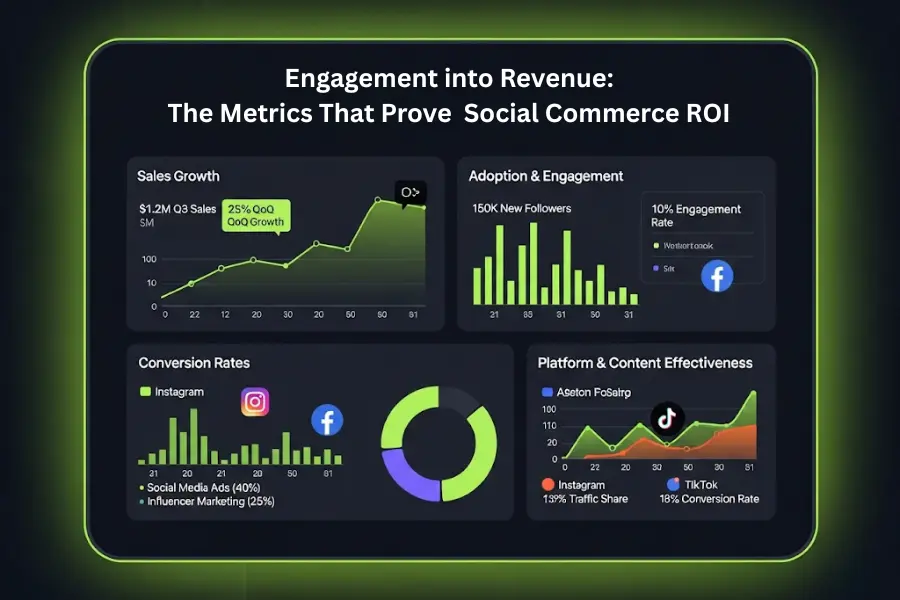
Understanding how social engagement converts to revenue is pivotal for every business investing in social commerce. The most telling metrics for ROI are sales growth, conversion rates, booking rates, and engagement statistics, all quantified with advanced attribution methods that connect the dots between campaign efforts and business outcomes.
Key Metrics That Matters:
Sales Growth: Globally, social media as a tool for e-commerce is experiencing a rapid rise in popularity. In 2025, the penetration rate of social shopping reached around 31 percent, with further growth anticipated in subsequent years. Leading brands now see sales lifted directly from social platforms. For example, Badgley Mischka, a U.S.-based fashion label, dramatically expanded sales by integrating Instagram Shop, Facebook Shop, and TikTok Shop, using BigCommerceu2019s omnichannel platform to personalize and scale social-driven transactions.
Adoption & Engagement: Consumer behavior in social media shopping (2025) is dominated by younger demographics. Over 53% of 18- to 26-year-olds have already made purchases directly from social platforms. Among users aged 14 and up, 51.8% shop on social media, highlighting the cross-generational shift from traditional eCommerce platforms to social-first retail experiences.
Platform & Content Effectiveness: snackable and mobile-friendly video formats like reels, YT shorts and TikTok are all time favourites. In the race to dominate social commerce, Facebook remains the platform of choice, an insight backed by the latest social media shopping statistics 2025, especially among users over 35.As of 2025, Facebook users are 76.9% more likely to make a purchase through the platform compared to TikTok, which trails closely behind.
Yet TikTok is surging with younger demographics, driving the much-discussed TikTok shopping growth. Its short-form video format is proving particularly effective for product discovery, demos, and limited-time offers. Especially in beauty, fashion, and lifestyle categories.
Conversion Rates: Roughly 81% of consumers say social media compels them to make spontaneous purchases multiple times per year or more, with 28% making impulse purchases once a month. Around 73% of social users agree if a brand doesnu2019t respond on social, theyu2019ll buy from a competitor. Trust plays a huge role in buying decisions. People want social proof, fast customer service and transparent communication. With years of experience in the marketing industry, Mindshare Consulting Inc could be your ideal companion as a social commerce agency.
How Right Attribution is Crucial to Get Key Metrics Info?
Attribution ties these outcomes to specific social investments. Sophisticated brands now deploy analytics tags, tracking pixels, UTM links, and CRM integrations to seamlessly record the entire user journey. Unified attribution models track every point: from a TikTok video or Instagram Reel to the actual sale or booking. This empowers marketers with unmatched clarity on which campaigns, influencers, or content drive ROI, ensuring no dollar is spent blindly.
Real World Impact of Social Commerce: Heat Transfer Warehouse (USA)
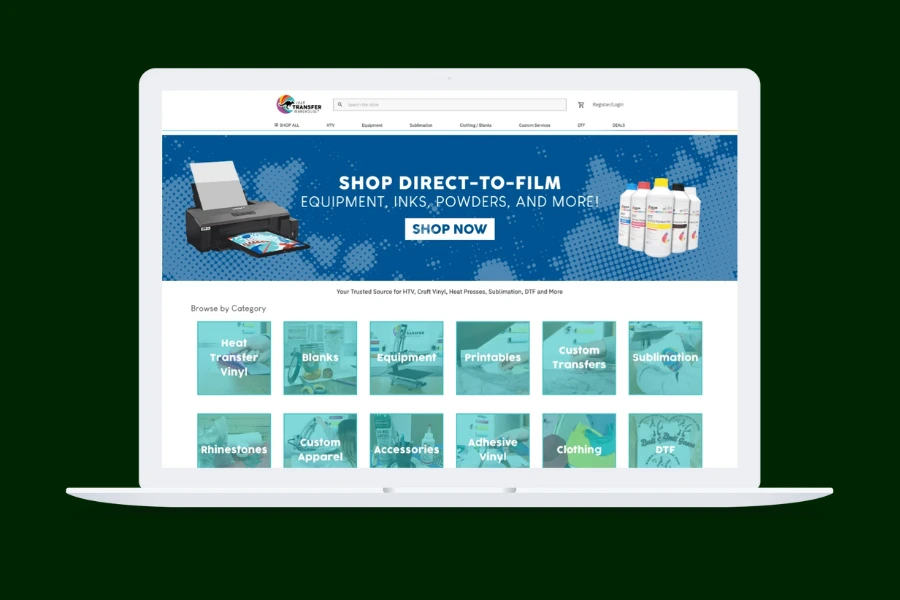
Heat Transfer Warehouse, a US-based leader in custom product decoration supplies, redefined its digital footprint and sales growth by transitioning to BigCommerce in 2020. Previously limited by a rigid open-source e-commerce setup, the company faced slow updates, complex integrations, and resource-heavy maintenance. A major bottleneck that restricted their commercial scalability.
Key Results After Switching to BigCommerce:
- 44% year-over-year revenue increase in 2021 following the migration.
- 41% customer base growth within the same period, with accelerated acquisition from both B2B and DTC channels.
- Streamlined pricing for B2B customers through automatic, grade-based discounts, eliminating the need for manual coupon management.
- Hours saved daily with integrated apps like Bolt (fraud detection), B2B Ninja (quoting), Affiliatly (affiliate program), and Klaviyo (targeted email marketing), all driving further online conversions and repeat purchases.
By leveraging BigCommerceu2019s ecosystem, Heat Transfer Warehouse quickly launched new sales programs, created affiliate partnerships, and automated critical operations. The adaptability of the new platform allowed the marketing team to capitalize on market shifts and e-commerce trends much faster. A crucial factor for sustained growth.
Followers to Clients: Proven Social Commerce Agency Tactics
1. Shoppable Posts & Seamless Checkout Integration
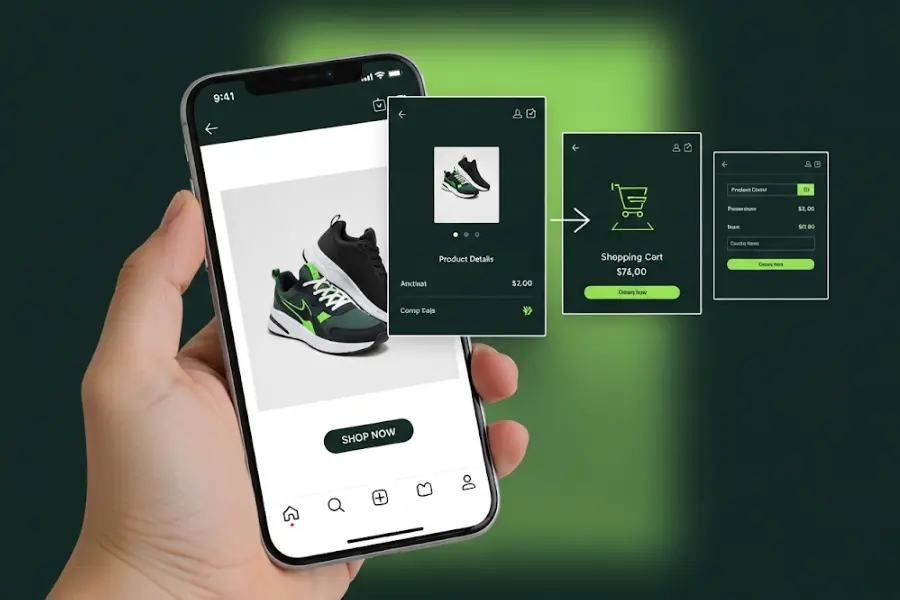
Modern social platforms now allow brands to tag products directly within posts, Stories, and videos (e.g., Instagram/Facebook Shops, TikTok Shop). Followers can tap on a product and purchase immediately, often with saved payment info, without leaving the platform. Reducing these extra steps means far fewer abandoned carts and a more spontaneous purchase experience. Brands should keep these interfaces up-to-date, regularly tagging newly featured or seasonal products to capture attention at every touchpoint.
2. User-Generated Content (UGC) Showcasing

UGC includes customer reviews, photos, videos, and testimonials, giving a brand social proof that builds trust. Feature real customer experiences on your main feed, Reels/Shorts, and special highlight galleries. For added impact, make this content instantly shoppable by tagging showcased products, so followers can buy what others have loved with a single click. Asking for and curating UGC after every purchase exponentially increases quality content and sales opportunities.
3. Influencer Partnerships & Authentic Advocacy

Influencers, from micro to macro, help brands tap into highly-engaged communities. Choose influencers whose followers closely resemble your target client segments. Enable these partners to use shoppable links, tags, and promo codes in their content. Authentic demonstrations, reviews, and live shopping sessions led by trusted personalities drive both awareness and real conversions, especially when paired with limited-time offers or behind-the-scenes exclusives.
4. Short-Form & Live Video Content
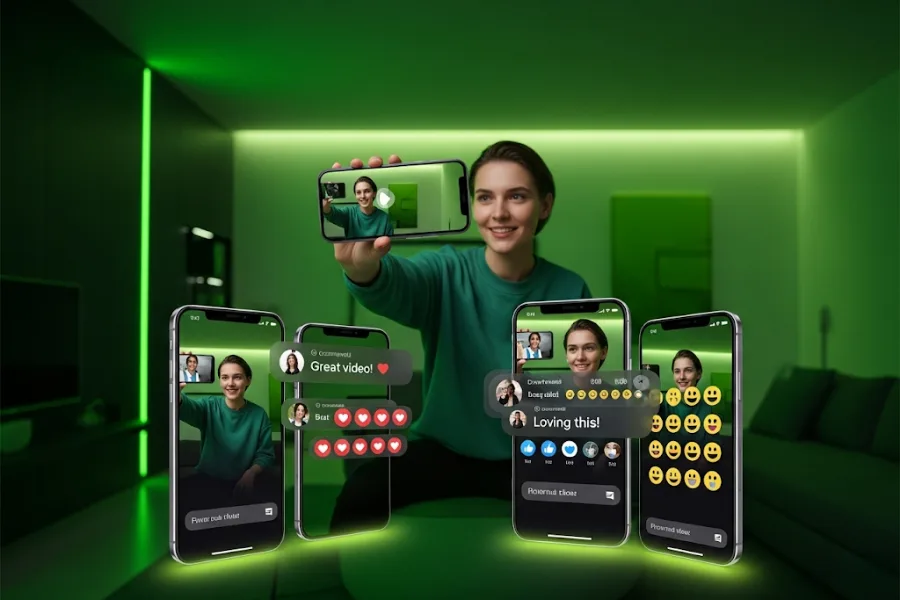
Platforms like TikTok, Instagram Reels, and YouTube Shorts are ideal for demonstrating products, showcasing use cases, or sharing quick tips, all with direct calls-to-action (“buy now,” “shop link in biou201d). Going live for shopping events, product drops, or expert Q&As lets you answer questions in real-time and create a sense of urgency. Viewers can comment, ask questions, and make purchases while momentum is at its highest, dramatically improving conversion rates.
5. Social-Driven Customer Support & Personalization

Instant responses: Via direct messages, chatbots, or Messenger, remove friction and resolve hesitations at critical buying moments. Brands can guide followers through choices, answer product-specific queries, and even provide tailored recommendations based on a customeru2019s recent activity or stated preferences. Personalized experiences, such as “recommended for youu201d lists in social shops, dramatically increase upsell and cross-sell opportunities.
6. Viral Campaigns & Social Challenges
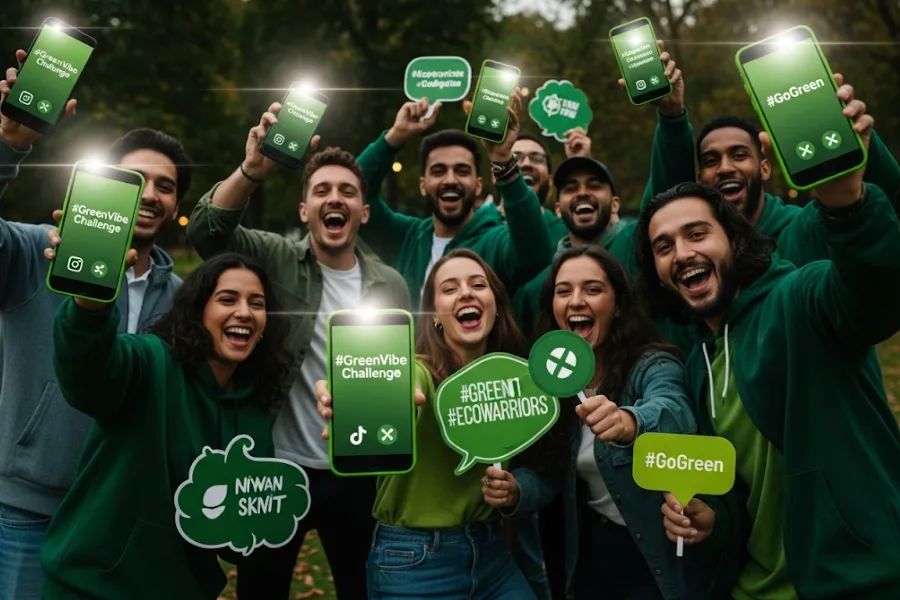
Hashtag campaigns, contests, and viral challenges incentivize followers to participate, create, and share brand-related content with the potential for exponential reach. For best results, tie campaign participation to direct rewards like discounts, early access, or feature opportunities. Integrate shoppable links so every participant and viewer knows exactly how to buy or book the highlighted product or service.
7. FOMO & Scarcity Techniques

Use social posts, Stories, or countdown timers to alert followers to low-stock items, flash sales, or limited-edition releases. Showcasing real-time inventory updates (“Only 2 left!”) or expiry clocks for deals spurs followers to act immediately, reducing the odds of them reconsidering or getting distracted.
8. Reviews, Ratings & Social Proof

Showcase ratings, detailed reviews, and customer testimonials within social shops, Stories, and even Ad content. Pin “customer favoriteu201d posts or expert endorsements to your profile. Highlight unboxing experiences, before/after shots, or customer milestones to create relatable, community-driven brand narratives, boosting trust and lowering perceived purchase risk.
9. Cross-Platform Consistency & Retargeting
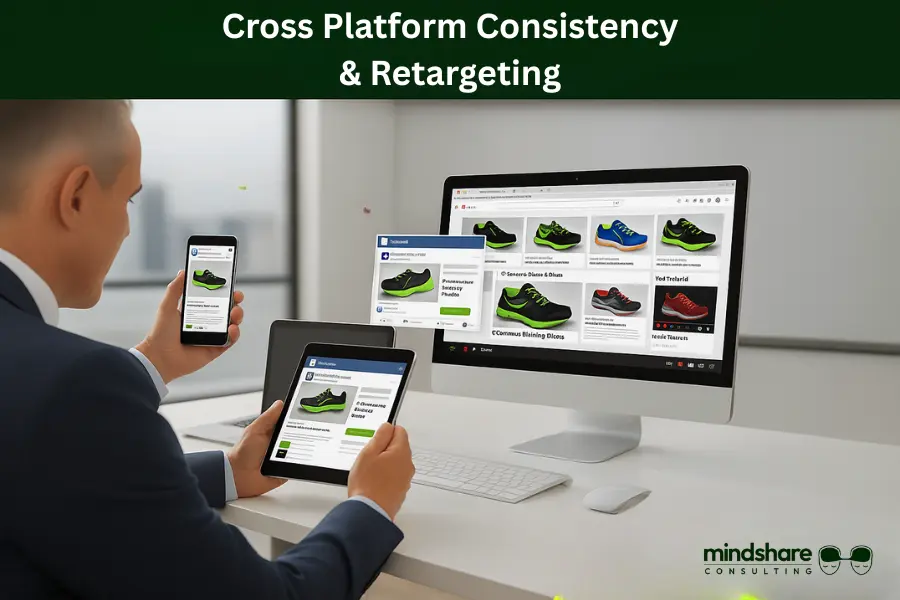
Maintain a cohesive shop and content presence across Instagram, Facebook, TikTok, Pinterest, and more to capture audiences wherever they browse. Use retargeting ads, automatically delivered to followers who engaged but didnu2019t purchase. To remind, nudge, or offer special incentives driving them back to transact. This multi-touch approach increases chances of repeat interaction and eventual conversion.
10. Analytics & Attribution Optimization

Utilize analytics dashboards built into social commerce tools or third-party integration platforms to track every interaction from campaign view to checkout. Monitor clickthrough rates, engagement, conversion, and drop-off points by platform, campaign, and audience segment. Apply these learnings to refine content, offers, and customer journeys, ensuring resources are channeled into tactics with proven revenue impact.
How Mindshare Consulting Can Maximize Your Brandu2019s ROI?
Our experts bring together creativity, analytics, and platform mastery to guide brands from strategy to conversion, across every digital touchpoint. We build data-driven, industry-specific strategies that connect your brandu2019s unique value to transactional opportunities on social platforms. Our team ensures your social storefronts, shoppable posts, and live shopping features are not only set up, but optimized.
Leveraging advanced analytics, we track each journey from initial follower to paying client. This means you can see exactly which campaigns, channels, or influencer partnerships generate real business results, allowing your budget to work smarter.
By choosing Mindshare Consulting Inc. as your social commerce agency, your business is equipped not only to participate in the digital marketplace but to lead it, driving ROI through every like, share, and sale.