


Introduction to Local SEO
As a small business owner, having a strong online presence is crucial for attracting local customers. This local SEO checklist walks through optimizing your website and online presence to rank higher in search results for location-based searches. In this post, we’ll provide you with a comprehensive local SEO checklist to help you boost your local visibility and drive more foot traffic to your business.
Before we get into the checklist, a quick word on where it comes from. I am Jay Mehta, and over two decades at Mindshare Consulting I have helped hundreds of small businesses climb their local search results, so every item below has been tested on real businesses rather than borrowed from a textbook.
Claiming and Optimizing Your Google My Business Listing
Google My Business (GMB) is a free tool that allows you to manage your business’s online presence across Google. Claiming and optimizing your GMB listing is essential for local SEO. Here are some steps to follow:
- Claim your GMB listing by verifying your business through a postcard, phone call, or email
- Complete your business profile with accurate and up-to-date information, including your business name, address, phone number, and hours of operation
- Add high-quality photos of your business, including your logo, exterior, interior, and products/services
- Respond promptly to customer reviews and use the GMB messaging feature to engage with customers
On-Page Optimization for Local SEO
On-page optimization refers to the process of optimizing your website’s content and structure to rank higher in search engine results. Here are some key elements to focus on:
- Keyword research: Conduct thorough keyword research to identify relevant and high-traffic keywords related to your business and location
- Optimize your title tags: Write unique and descriptive title tags that include your target keywords and location
- Meta descriptions: Write compelling and informative meta descriptions that entice users to click through to your website
- Header tags: Organize your content using header tags (H1, H2, H3, etc.) to structure your page and highlight important keywords
- Content quality and quantity: Create high-quality, engaging, and informative content that provides value to your users and establishes your authority in your industry
Building High-Quality Local Citations
Local citations are mentions of your business’s name, address, and phone number (NAP) on other websites, directories, and platforms. Building high-quality local citations can help improve your local SEO. Here are some ways to build local citations:
- Submit your business to local directories and citations sites, such as Yelp, Bing Places, and other industry-specific directories
- Partner with other local businesses to get mentioned on their websites or social media platforms
- Participate in local events and sponsor local organizations to get mentioned in local media and event listings
- Use data aggregators like Moz Local or Ahrefs to distribute your business’s NAP consistently across the web
Local Link Building Strategies
Link building is an essential aspect of SEO, and local link building can help you build authority and relevance in your local market. Here are some local link building strategies:
- Guest blogging: Write guest posts for other local businesses or publications to build relationships and earn links back to your website
- Local resource pages: Create a resource page on your website that links to other local businesses and organizations, and ask them to link back to you
- Partnerships and collaborations: Partner with other local businesses to create content, host events, or offer joint promotions, and ask for links in exchange
- Local PR and outreach: Reach out to local media, bloggers, and influencers to get featured in their content and earn links back to your website
Local SEO Checklist for Tracking and Measuring Success
Tracking and measuring your local SEO success is crucial to understanding what’s working and what’s not. Here are some key metrics to track:
- Google Analytics: Set up Google Analytics to track your website traffic, engagement, and conversion rates
- Google Search Console: Set up Google Search Console to track your search engine rankings, impressions, and clicks
- Local SEO tools: Use local SEO tools like Ahrefs, Moz, or SEMrush to track your local rankings, citations, and links
- Customer reviews and feedback: Monitor customer reviews and feedback to understand what’s working and what areas need improvement
Putting the Local SEO Checklist Into a Monthly Routine
A checklist only works if it becomes a habit, so spread the items across a simple monthly rhythm. In week one, review your Google Business Profile: confirm hours, respond to every new review, and post one update or offer. In week two, audit your core pages for the city and neighborhood terms your customers actually type, and fix any page whose title or heading drifted away from them. In week three, check your citations on the major directories and correct any name, address, or phone mismatches you find, because inconsistent details quietly erode local rankings. In week four, look at the numbers: calls, direction requests, form fills, and which queries triggered your profile. Write down what changed since last month, note which checklist items you skipped, and pick one weak spot to focus on for the month ahead.
Small businesses that follow this loop consistently tend to outrank competitors who do one big optimization push and then go quiet. If you would rather have a team run the whole local seo checklist for you each month, our search engine optimization services include local visibility work as a standard part of the engagement.
How Mindshare Consulting Helps with Local SEO
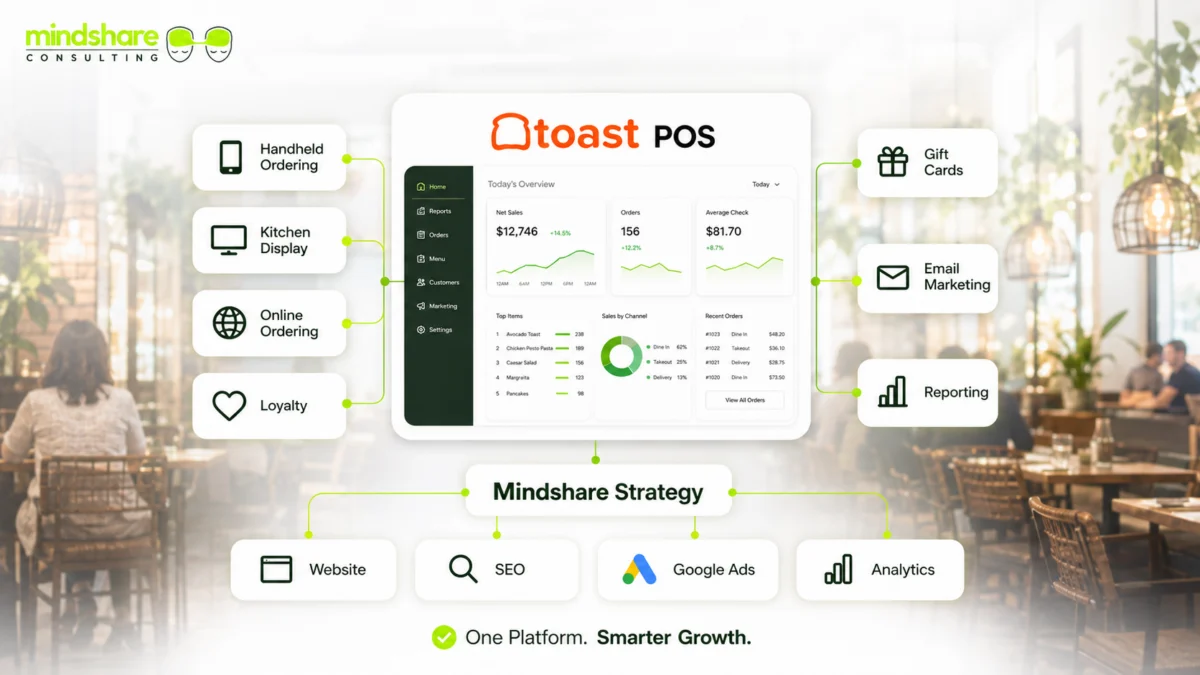
Mindshare Consulting runs this exact checklist as a monthly managed service. Our team handles listing accuracy, review velocity, on-page fixes, and local link building, then reports the movement in rankings, calls, and direction requests so you can see what the work produced. Learn more about our SEO services or book a strategy call to walk through where your visibility stands today.
If you want to go deeper on your own first, Moz’s local SEO learning center is a solid free resource, and restaurant owners can see how these ideas apply to their industry in our guide to restaurant listing management.
Conclusion
In my twenty years of doing this work, the businesses that win locally are rarely the ones with the biggest budgets. They are the ones that show up consistently, week after week. Local SEO is a complex and constantly evolving field, but by following this comprehensive checklist, you can improve your local visibility, drive more foot traffic to your business, and stay ahead of the competition. Remember to stay up-to-date with the latest local SEO best practices and algorithm updates to ensure your business remains visible and competitive in the local search landscape.