

Google Ads for restaurants matters in 2026 because restaurant ads work best when campaigns match local intent, location radius, ordering behavior, and menu demand. For restaurant owners and operators who want more calls, reservations, and orders, the goal is not just more traffic. The goal is more qualified calls, visits, bookings, orders, and leads from people who are already close to choosing a provider.
I am Jay Mehta, owner of Mindshare Consulting, and I have spent more than twenty years helping restaurants and local businesses turn advertising budgets into booked tables. Everything in this guide comes from campaigns my team and I run every week, not from theory.
Why Google Ads for Restaurants Matters Now
Customers compare options faster than ever. They move between search results, map listings, social profiles, videos, reviews, AI answers, and websites before taking action. A strong restaurant Google Ads strategy gives those touchpoints one consistent message: what the business offers, where it serves customers, why it can be trusted, and what the next step should be.
This is especially important for restaurant owners and operators who want more calls, reservations, and orders. A campaign can look busy but still fail if it is not connected to measurable outcomes. The right plan connects content, targeting, conversion tracking, and follow-up so every channel supports revenue instead of vanity metrics.
Google Ads for Restaurants, a Strategy Checklist
- Separate brand, local search, catering, delivery, and competitor campaigns.
- Use location extensions, call assets, sitelinks, and menu-focused ad copy.
- Geo-target only realistic drive-time areas and adjust bids around peak meal periods.
- Send clicks to dedicated pages with menus, offers, ordering options, and trust signals.
- Track calls, online orders, reservations, direction requests, and catering leads.
Recommended Budget and Measurement Approach
Start by defining one primary conversion, such as booked calls, reservations, orders, quote requests, or consultation forms. Then assign each channel a job. Search captures existing demand. Social and video create demand. Email, SMS, and remarketing bring people back. SEO and content build compounding visibility over time.
A practical reporting dashboard should include impressions, clicks, conversion rate, cost per conversion, lead quality, revenue impact, and assisted conversions. For restaurant Google Ads, the most useful reports explain what to do next, not just what happened last month.
Content and Landing Page Requirements
Every page or campaign connected to restaurant Google Ads should answer the questions a buyer asks before taking action. Who is this for? What problem does it solve? What proof is available? What areas are served? How quickly can someone get started? Clear answers improve user experience and help search engines understand the page.
- Use the focus keyword "restaurant Google Ads" in the page title, introduction, headings, and image alt text.
- Include supporting terms such as local restaurant advertising, Google Ads for restaurants, restaurant PPC campaigns, local search ads restaurant, restaurant marketing agency.
- Add local proof, examples, reviews, FAQs, and clear calls to action.
- Make the page fast, mobile friendly, and easy to scan.
- Track form submissions, calls, clicks, and meaningful engagement.
Common Mistakes to Avoid
- Trying to target too many audiences with one page or campaign.
- Sending paid traffic to a generic homepage instead of a focused landing page.
- Publishing content without internal links, FAQs, or conversion tracking.
- Measuring only impressions, likes, or clicks without checking lead quality.
- Letting old offers, old photos, or outdated service details remain online.
Simple 30-Day Action Plan
Week one should focus on audits: website content, tracking, profiles, existing campaigns, reviews, and competitor visibility. Week two should focus on fixing the highest-impact conversion and trust gaps. Week three should launch or refresh content around restaurant Google Ads. Week four should review performance and decide what deserves more budget or more content support.
The best results usually come from consistent improvements. A focused monthly rhythm keeps strategy moving without overwhelming the team.
Matching Campaign Types to Restaurant Goals
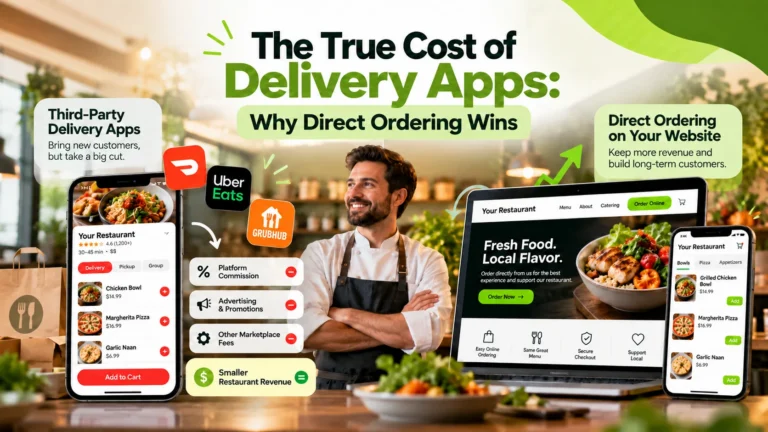
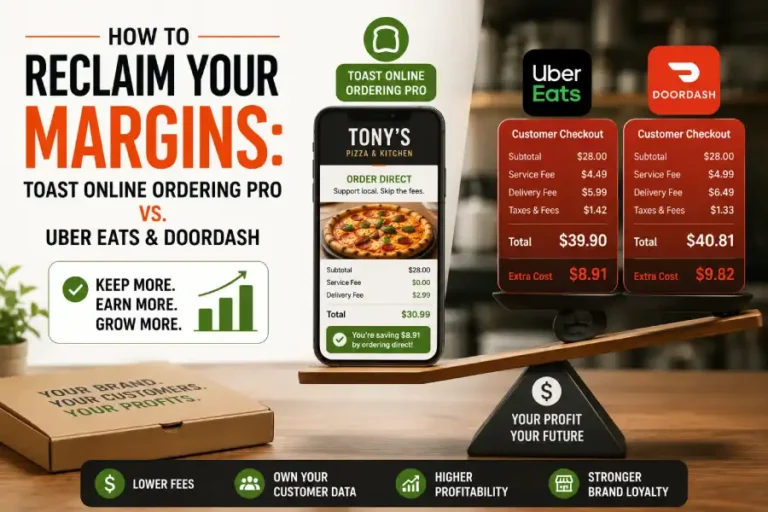
Google Ads for restaurants works best when the campaign type matches the outcome you want. Search campaigns capture people typing high-intent phrases like best tacos near me or private dining tonight, so they should carry most of the budget for reservations and walk-ins. Performance Max and Maps placements help you show up in the local pack and on navigation apps, which matters for impulse visits and tourists. Display and YouTube are better for launching a new location or a new menu than for immediate orders, so treat them as awareness spend with a small share of budget. If online ordering is the goal, send ad clicks to your own ordering page rather than a third-party marketplace, so you keep the margin and the customer data. Review search terms weekly during the first month and add negatives aggressively, because delivery-job and recipe queries quietly drain restaurant budgets more than any other waste source.
FAQ
What is restaurant Google Ads?
Restaurant Google Ads is the process of using content, targeting, optimization, and measurement to reach the right audience and turn attention into real business outcomes.
How long does restaurant Google Ads take to work?
Paid campaigns can create data within days, while SEO, content, and retention programs usually compound over several months. The fastest path is to fix tracking and conversion issues before scaling budget.
What should be reviewed before launch?
Review the offer, landing page, calls to action, analytics, mobile layout, image alt text, page speed, and follow-up process. A campaign is only as strong as the experience after the click. In twenty years of auditing restaurant campaigns at Mindshare, this pre-launch review is where I have seen the most wasted spend caught early.
Final Takeaway
How to Get More Restaurant Customers Through Google Ads: A 2026 Guide is not just a trend topic. It is a practical growth system when the strategy is tied to customer intent, clear messaging, and measurable next steps. Businesses that improve these pieces now will be easier to find, easier to trust, and easier to contact throughout 2026.
How Mindshare Consulting Helps Restaurants Grow with Google Ads
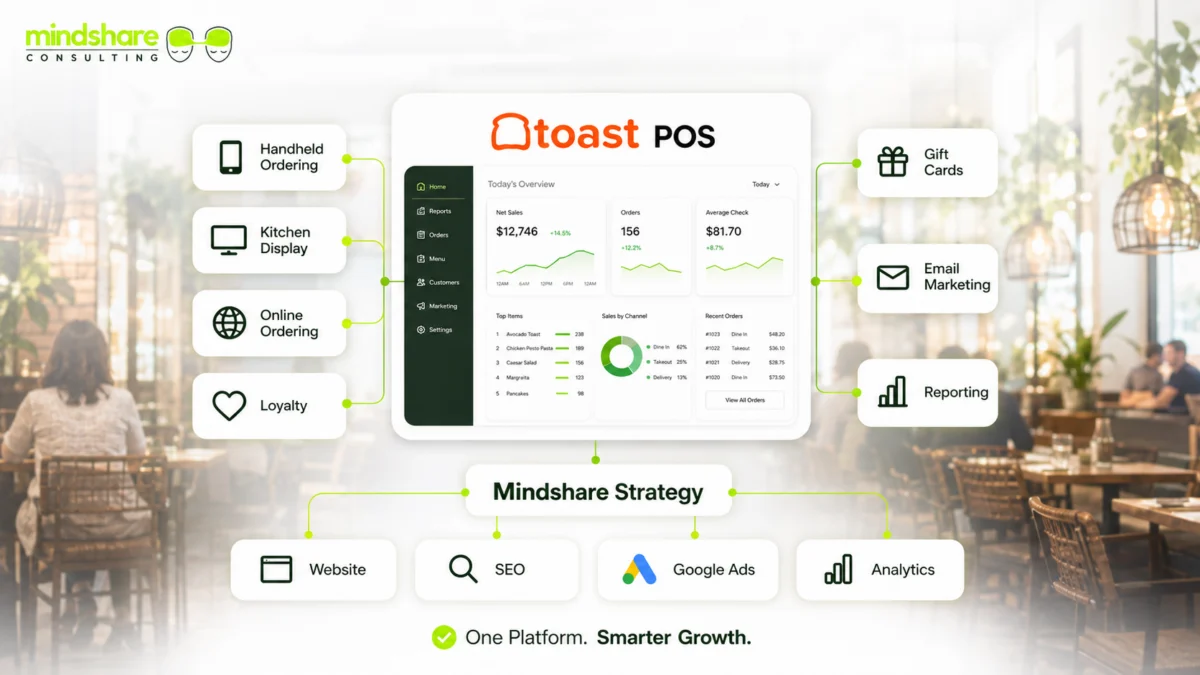
Mindshare Consulting builds and manages Google Ads programs specifically for restaurants, from single locations to multi-unit groups. Our team structures campaigns around the goals covered in this guide, separating brand, local search, catering, and online ordering, then ties every click to calls, bookings, and orders through proper conversion tracking. You can see how this fits into a complete growth plan on our restaurant marketing solutions page or explore our broader PPC management services.
Paid search works best when the rest of your presence supports it. We pair ads with local visibility work, using our restaurant SEO checklist to strengthen your Google Business Profile and map rankings, so you win both the paid and organic results for the same searches. If you are new to the platform, Google’s overview of campaign types is a useful primer, and Google’s Business Profile guidelines explain what your listing needs before you spend a dollar on ads.